Step into a living mosaic of mangroves, dolphins, and shelling on our Ten Thousand Islands Eco Boat Tour. Cruise the Everglades’ nearshore mangrove estuary just south of Marco Island.
Book NowBook Now
 Ten Thousand Islands boat tours help families discover the real nature on a family vacation. With us, that search becomes a calm, guided adventure. Captains follow wind-sheltered creeks where dolphins feed and birds hunt. When tides allow, a barrier-island beach stop lets kids explore gently. Along the way, simple ethics keep wildlife relaxed and undisturbed. Grandparents ride in shade with soft seats and patient pacing. You bring curiosity; we bring knowledge.
Ten Thousand Islands Boat Tour: A Living Mangrove Classroom
This nearshore mangrove estuary feels wild and welcoming at once. Channels twist through green tunnels that quiet the breeze. That shelter makes the ride smooth and the views close. You see life work at the edges where currents meet. We narrate every turn as Florida Master Naturalists. We explain how roots trap sediment and build new ground. Kids hear clicks and pops and realize the forest breathes.
Ten Thousand Islands Boat Tour: Wildlife You’re Likely to See
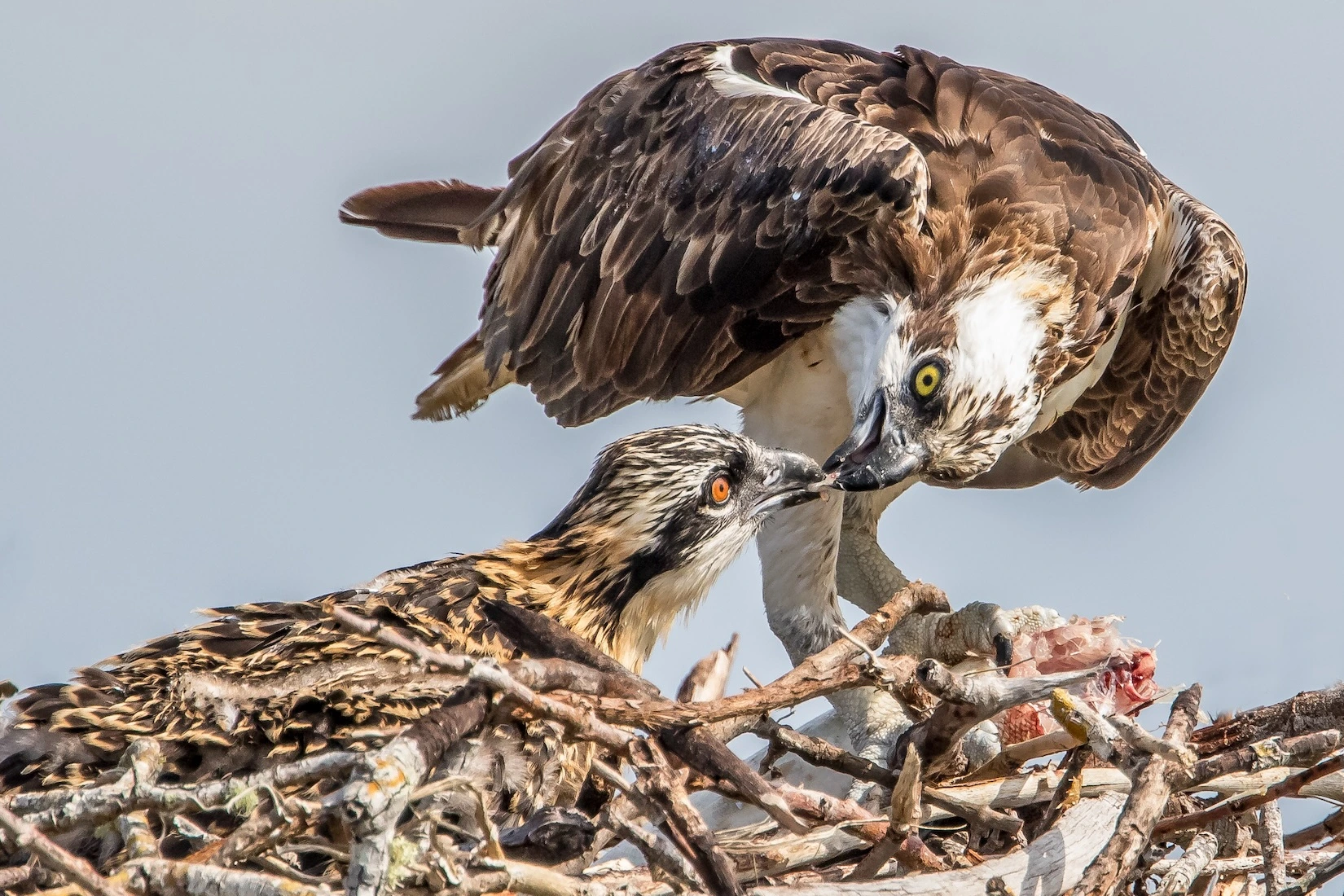
 Bottlenose dolphins patrol rips and seams for schooling bait. We give them room, then let curiosity bring them near. Osprey hover, strike, and shake the bay from their feathers. Brown pelicans fold into water like tidy arrows. Royal terns and black skimmers stitch the surface with grace. Manatees appear on warm, quiet bends during the right windows. Sea turtles surface quickly, then slide back into the green light.
Ten Thousand Islands Boat Tour: Beach Stop and Gentle Shelling
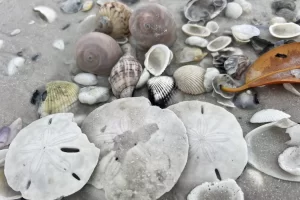
When tide and wind agree, we beach on a barrier island. Everyone steps into soft sand and uncluttered sky. We point out wrack lines that hide fresh finds. Kids scan for sand dollars and shiny alphabet cones. We check each shell for life and release living creatures. That habit protects tomorrow’s search and teaches good care. Families carry home stories and empty shells they genuinely love.
Ten Thousand Islands Boat Tour: Why Our Routes Feel Smooth
 We time departures to match the falling or gently rising water levels. Those windows concentrate life along edges and bars. We tuck behind the leeward islands when the breezes build. Then we open to scenic bays for big sky moments. That rhythm keeps the ride comfortable for all ages. It also sets up better opportunities for wildlife encounters. Calm water helps confidence and keeps the day unhurried.
Meet Your Guides: Master Captain and Naturalist Crew
Florida Island Tours runs small-group trips tailored to families. Your captain holds a U.S. Coast Guard license and local experience. Your naturalist training accompanies every friendly answer. Questions are welcomed, stories are shared, and kids’ curiosity is piqued at each stop. We translate science into memorable and straightforward language. Captains offer plenty of humor, but the “Dad” jokes are always clean and appropriate. The pace of the boat tour is leisurely and gentle; we call it vacation style on island time. Safety leads, and smiles follow naturally.
Where We Depart and How Easy Boarding Works
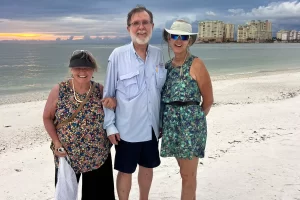 We launch from our private Goodland dock near Marco Island. The address is conveniently located across from Stan’s Idle Hour for easy finding. Parking is free, close, and friendly for strollers and gear. Boarding occurs at deck height, requiring steady hands and patience. Shade covers seating, and there’s room to spread out. We host up to twelve passengers on select private trips. Everyone feels welcome from the first hello.
What to Bring on a Ten Thousand Islands Boat Tour
Mesh shelling bags are provided when we stop on a barrier island for shelling. Free shelling lessons help you know how to look, where to look, and what you can find. Kid-sized life jackets are available on the boat, as well as a big cooler with ice for guest use. We add local knowledge that turns views into understanding. You relax, and we handle the moving pieces.
What We Provide on a Ten Thousand Islands Boat Tour
Pack sun protection, water, snacks, and sandals for sand. Bring a light layer for morning rides or breezy evenings. Keep your phones ready and set to burst mode for capturing action moments.
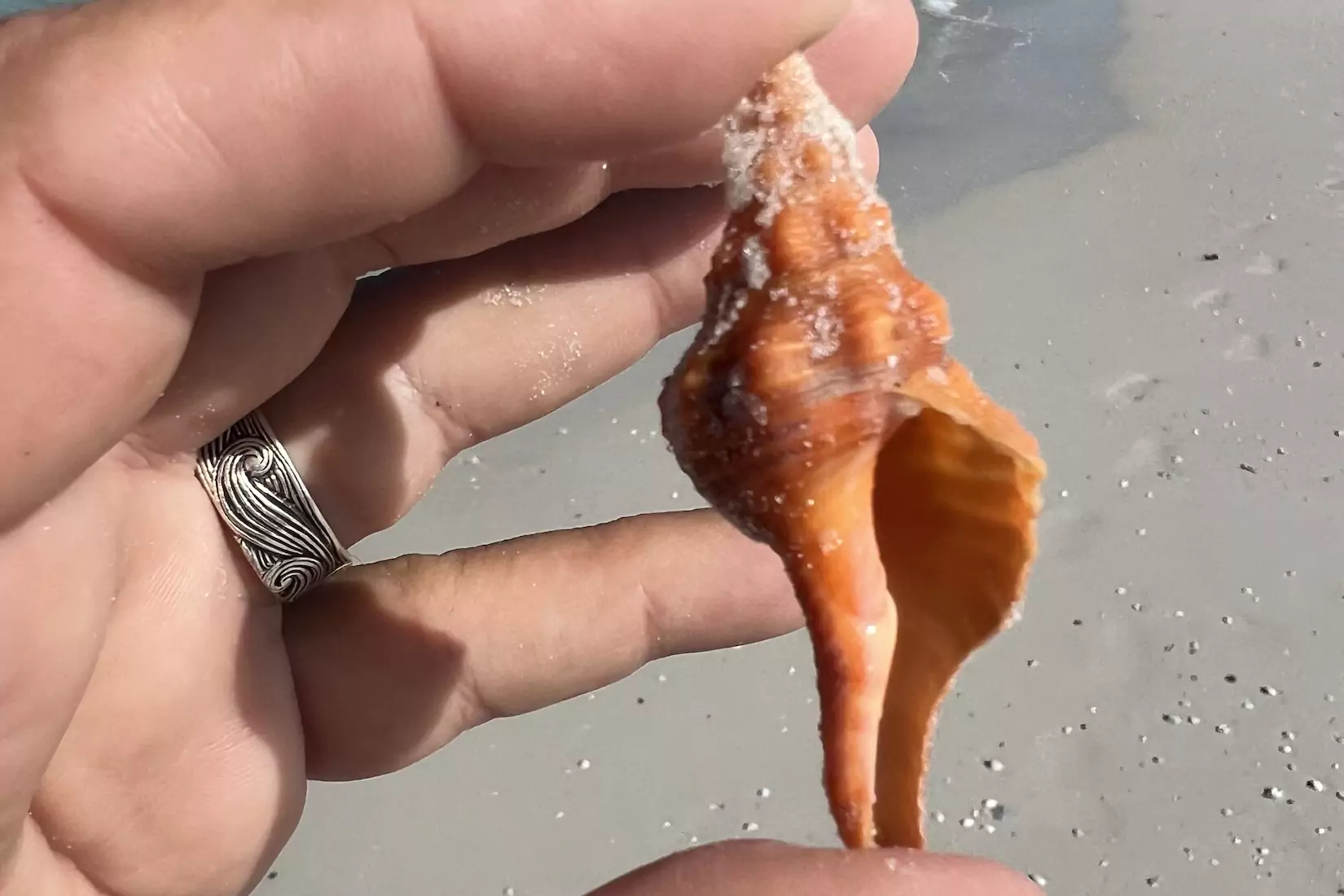
The Barrier Island Shelling Tour is the ultimate shelling adventure for those looking to discover rare and beautiful seashells in untouched, remote locations. This guided boat tour takes you beyond the busy beaches to the best shelling hotspots in the Ten Thousand Islands, where you’ll have the chance to collect sand dollars, alphabet cones, lightning whelks, and even the elusive Junonia.
2.5 hours: $125 Tickets | $625 Private
 When to Go for Light, Tides, and Wildlife
 When to Go for Light, Tides, and Wildlife
Early mornings are quiet, glassy, and ideal for spotting patients. Midday throws bright color across mangroves and open bays. Late afternoons soften the wind and add warm, golden light. Winter fronts reset beaches and stack fresh shell lines. Summer calms stretch long, with playful dolphin behavior. Spring and fall blend patterns into delightful days. Every season brings something worth seeing together.
Ten Thousand Islands Boat Tour: Weather Calls Done Right
Florida’s weather changes quickly, especially during the summer. We watch radar, tide, and storm motion before and during trips. Light showers may pass while we take shelter in protected areas. Lightning stops the show, and we reschedule without drama. Breezy days push us deeper into calm creeks and coves. Safety leads the way, and comfort follows closely behind. Clear communication keeps families relaxed and informed.
Ten Thousand Islands Boat Tour: For Kids, Parents, and Grandparents
 Kids want movement, and dolphins deliver short, thrilling bursts. Parents value learning that feels natural and friendly. Grandparents appreciate shade, soft pacing, and easy steps. Together, those needs shape a route that never rushes. Small surprises build into one big shared memory. The day flows, and each moment earns the next. That is the magic we try to repeat gracefully.
Fun Fact
A single mature mangrove can trap pounds of drifting sediment daily. Its roots slow the water just enough to steal silt. Oysters on nearby bars filter gallons each hour. Fiddler crabs clean the floor like tiny custodians. Together, those workers build land one quiet moment at a time. Sit still, and you can hear the system hum.
Captain’s Tip from a 10,000 Islands Boat Tour
Watch the line where two currents meet and observe the surface wrinkle. Dolphins often work that edge like a moving buffet. Count to three after a fin disappears, then scan down-current. Stay ready with burst mode, but keep eyes ahead first. Shoot after the moment, not during the gasp. That order makes better photos and better memories.
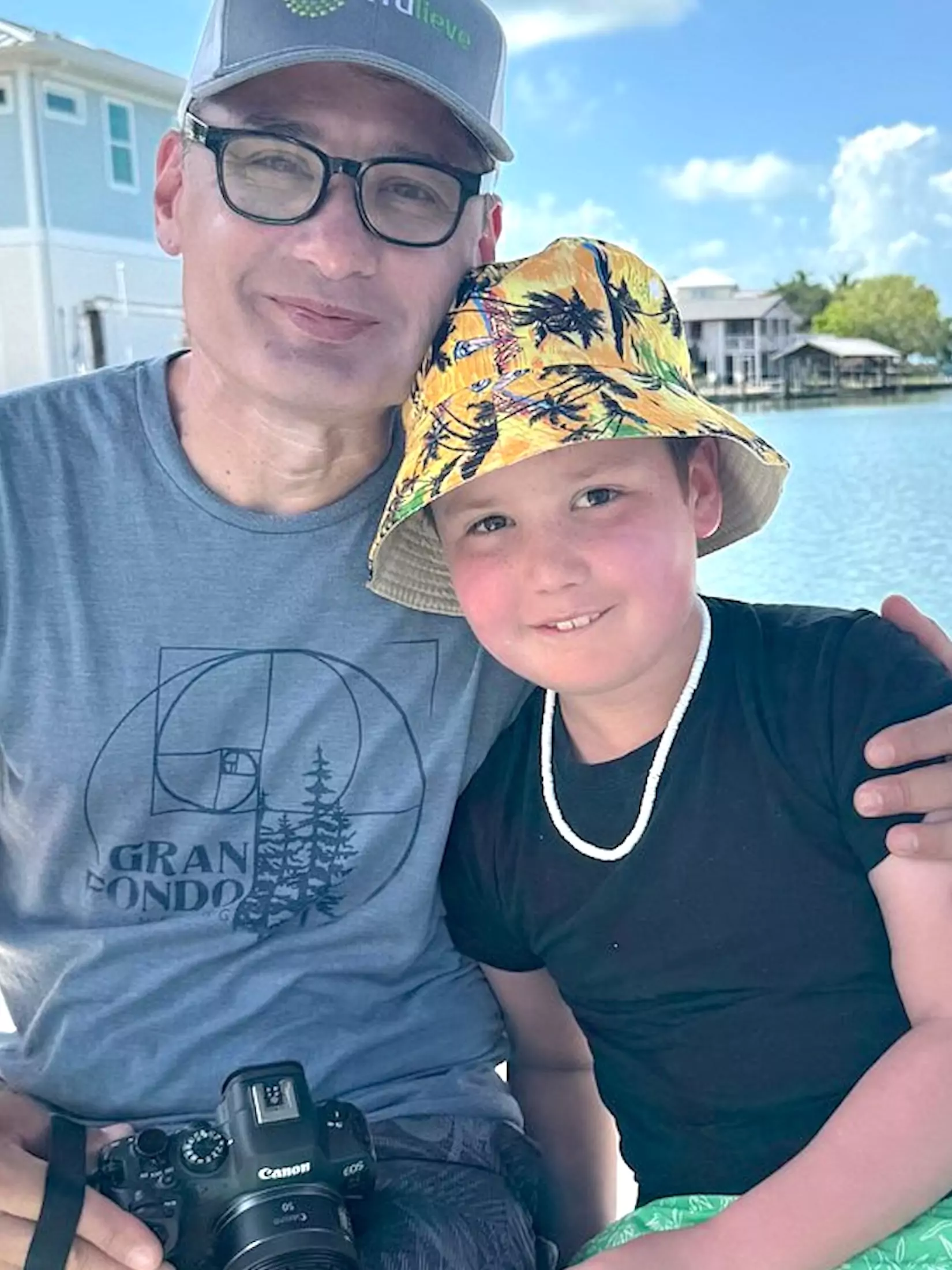
”A must-do tour for visitors. We had a glorious trip with Captain Nate, who was so knowledgeable about the wildlife and shelling locations. He introduced us to the local dolphins, osprey, pelicans, herons, manatees and more. He even had the dolphins leaping behind us in our wake - magical! Unforgettable trip.
Nicole C. May 23 2025Seattle, WA
FAQ: Ten Thousand Islands Eco & Wildlife Boat Tour
Where do the tours depart, and is parking easy to find?
 Where do the tours depart, and is parking easy to find?
Trips leave from our private Goodland dock across from Stan’s Idle Hour. Parking is free and conveniently located right near the boat.
How long is the Ten Thousand Islands boat tour?
Most outings run two to three hours, dock to dock. That window fits families and the best tide moments.
Are dolphin sightings guaranteed?
No operator can guarantee wildlife. Dolphins live here, and we observe them ethically without chasing or disturbing them. We see dolphins on just about every 10000 Islands boat tour.
Will we see manatees or sea turtles?
 Will we see manatees or sea turtles?
Sightings depend on season and conditions. Our captains and guides are experts at knowing where these seclusive animals can be found.
Do you include a beach stop for shelling?
Yes. Expect a 30-45 minute stop at a barrier island with shelling tips and a complimentary shelling bag.
Is the tour suitable for young kids and grandparents?
Absolutely. Calm routes, shade, soft seating, and patient pacing keep everyone comfortable from start to finish.
How many guests can join?
 How many guests can join?
We focus on small groups for better viewing and learning. Private charters can host up to twelve guests.
What should we bring?
Pack water, snacks, sun protection, sandals, and a light layer. Keep cameras handy. We provide shell bags and a cooler with ice.
Can we bring food and drinks?
Yes. Bring your favorites and reusable bottles. Alcohol is allowed, but please skip red wine to keep the boat clean.
What happens if the weather looks questionable?
 What happens if the weather looks questionable?
Light, non-electrical showers often pass quickly. Lightning pauses or reschedules the trip. We communicate options clearly and early.
How much walking or wading is involved?
Only a little, and always optional. Beach stops feature firm sand and ankle-to-mid-calf water near the boat.
Is boarding accessible for families with strollers?
Boarding happens with assistance. On lower tides there can be a step or two down to the boat. Small strollers are welcome but may be unnecessary on our small boats. Please let us know about any mobility needs beforehand.
What wildlife ethics do you follow?
 What wildlife ethics do you follow?
Respect leads every choice. We never crowd pods, and we return living shells. Distance and gentle approaches keep wildlife from getting stressed by our observations.
What time of day works best?
Mornings bring glassy water and patient wildlife. Late afternoons offer warm light and soft breezes, making for gorgeous photos.
Ready for a Ten Thousand Islands Eco Tour?
Ultimately, the Ten Thousand Islands reward patient eyes and light gear. On the right tide, dolphins parade along channel seams. Kids cheer as pods surf our wake, then settle to shell. Parents relax while we coach gentle, ethical collecting. Grandparents enjoy firm sand, shade, and easy steps. Shell lines along barrier islands reveal sand dollars, whelks, and shiny cones. Florida Island Tours times the window and guides the route. Bring curiosity, leave only footprints, and carry home better stories.