
Last Updated: November 1, 2026
Quick Summary
A guided eco tour usually starts with a welcome, a head count and a short safety briefing from your captain. The boat then heads out through the channels toward the Ten Thousand Islands, with stops and narration along the way. Expect a relaxed pace, and remember that wildlife sightings are never guaranteed on any guided eco tours.
- Arrive a little early for the welcome, head count and safety overview.
- Your guide will explain how to behave around wildlife and keep a respectful distance.
- Tours head through channels toward the Ten Thousand Islands, with narration along the way.
- Pack reef-safe sunscreen, a hat with a strap, polarized sunglasses and a dry bag.
- Ask about group size, weather policies and guide credentials before booking.
Table of Contents
- What a Guided Eco Tour Actually Looks Like From Start to Finish
- What to Bring on a Boat Tour So Your Day Goes Smoothly
- How Long an Eco Tour Duration Usually Runs and Why It Matters
- Wildlife Sightings, Expectations, and Responsible Viewing on the Water
- Questions to Ask Before Booking Your Guided Eco Tour
- Frequently Asked Questions
What a Guided Eco Tour Actually Looks Like From Start to Finish
Picture this: you’re standing on a dock in Marco Island, coffee in hand, watching a covered boat ease up to the slip.
Here’s a general idea of how the hours tend to unfold on a guided eco tour, so you know what to expect.
Before you step aboard. Plan to arrive a little early. Your captain will want a few minutes for a welcome, a head count, and a short safety overview: where the life jackets are stowed, how to move around the deck safely, and what to do if the water gets choppy.
The briefing sets the tone. A good guide uses those first few minutes to explain what you’re likely to see and how to behave around it.
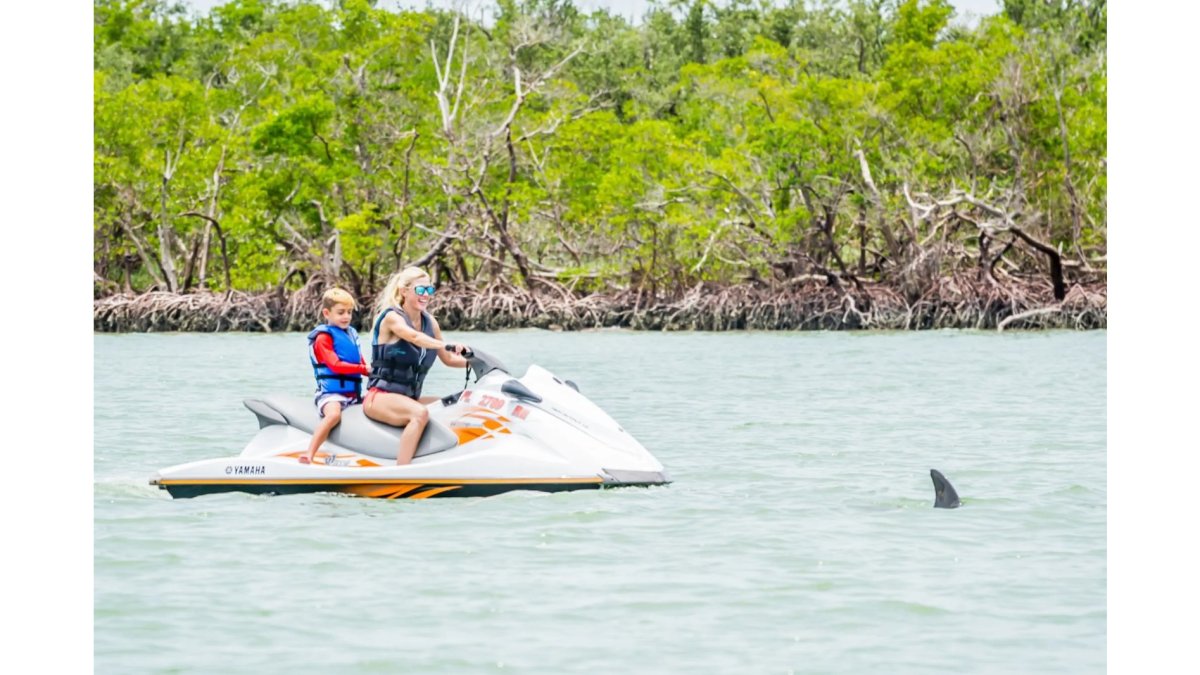
Getting underway. From the dock, the boat heads out through the channels toward the Ten Thousand Islands. A guide typically narrates what you’re passing, such as the mangrove edges and the bird activity around them. Watch for the occasional dolphin fin breaking the surface, and notice how the captain reads the water and adjusts speed when one appears.
Boat tours run on tide and weather, so the route can shift on the day. Ask your captain how they plan to adjust if conditions change, the answer tells you a lot about how they run a trip.
The middle hours. Expect a mix of motoring and stops. Some stops may be for a closer look at a barrier island beach. Others are simply for spotting birds and watching the water. A good guide manages the group so everyone gets a view without crowding one rail, and keeps an eye on the clock so you’re not rushed at the best spots.
Many people find the pace relaxed rather than rushed, with stories about the islands and wildlife along the way.
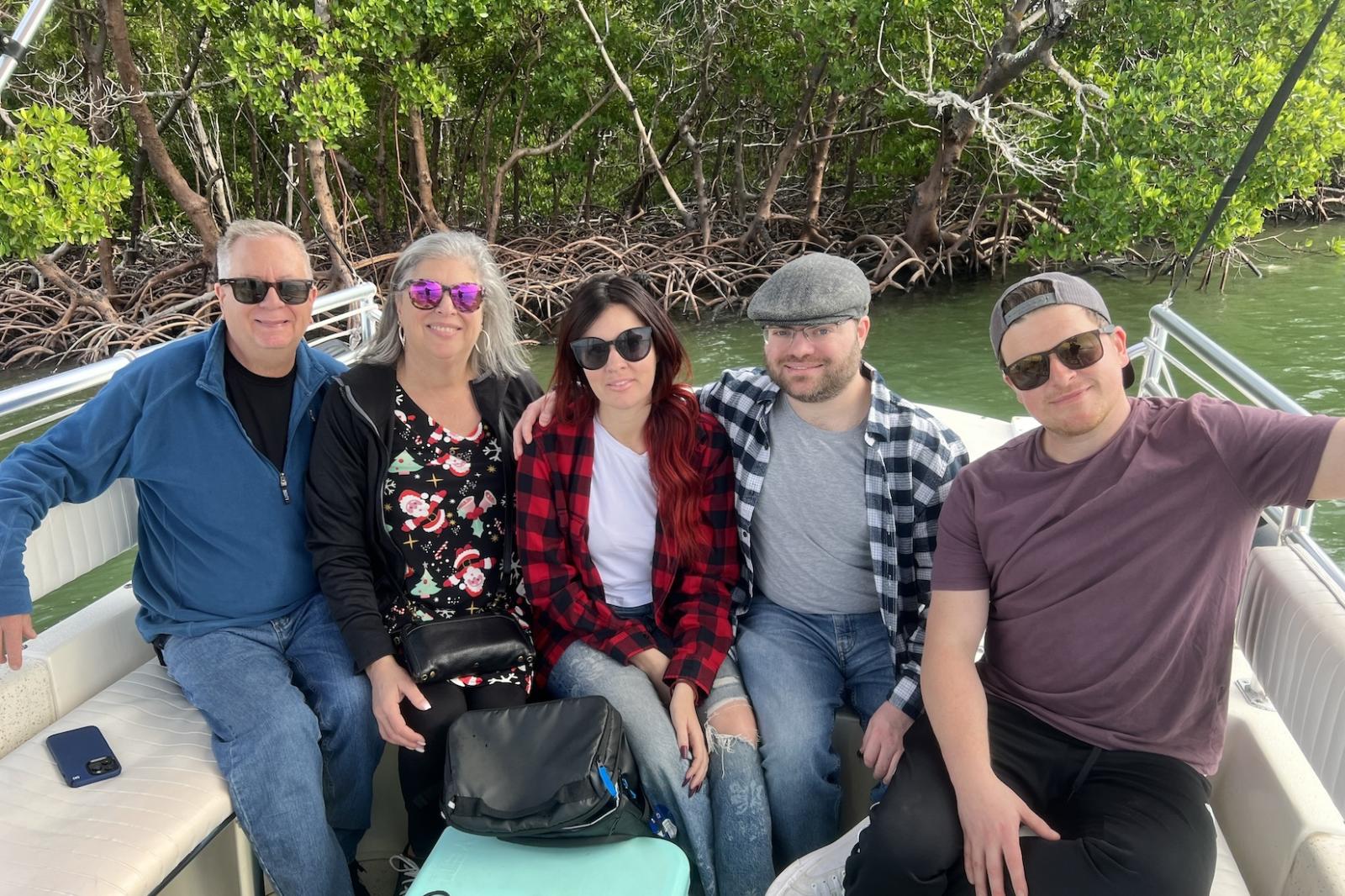
The wrap-up. The last stretch back is often quieter, a good time to ask questions and talk over what you saw. If you’re hoping to spot something specific next time, this is the moment to ask when it’s most likely to be around.
A word on group size and safety. Smaller groups mean more personal narration and easier wildlife viewing, but they also mean the guide can keep closer tabs on everyone.
What to Bring on a Boat Tour So Your Day Goes Smoothly
A little preparation goes a long way on the water. Sun, wind, and spray are part of being on the water, so pack with that in mind.
Essentials to bring:
- Sunscreen, reef-safe if possible
- A hat with a strap, plus polarized sunglasses
- Water in a reusable bottle
- A light layer for breezy stretches on the water
- Non-slip shoes or sandals with a good grip
- A dry bag for phones, wallets, and cameras
Optional but handy:
- Binoculars for birds and distant wildlife
- Snacks for the trip, especially with kids
- A small towel for wet hands and seats
- Motion-sickness remedies if you’re prone to queasiness
Leave the bulky bags and glass bottles at home. Storage on a small boat is limited, and you’ll be happier with less to manage.
Packing well makes a big difference on the water. Here is a quick look at what to bring and what to leave at home.
| Item | Category | Why it helps |
|---|---|---|
| Reef-safe sunscreen | Essential | Sun and spray are constant |
| Hat with strap | Essential | Stays put in the wind |
| Polarized sunglasses | Essential | Cuts glare off the water |
| Reusable water bottle | Essential | Keeps you hydrated on the water |
| Non-slip shoes | Essential | Grip on a moving deck |
| Dry bag | Essential | Protects phones, wallets, cameras |
| Binoculars | Optional | Helpful for birds and distant wildlife |
| Bulky bags, glass bottles | Leave at home | Storage on a small boat is limited |
How Long an Eco Tour Duration Usually Runs and Why It Matters
Many guided eco tours run for a few hours. Check the length of the tour you book before you go.
Duration matters because it shapes what you’ll see on guided eco tours. A longer outing gives more chances to spot wildlife, pause at a beach, and take in the scenery. A shorter one works well for families with young kids or anyone who wants a lighter day on the water.
Check the tour details when you book, and ask whether the time includes boarding and disembarking. That small detail can change how much time you actually spend on the water.
Wildlife Sightings, Expectations, and Responsible Viewing on the Water
Wildlife is a big part of any guided eco tours experience, but it’s wild. Dolphins, birds, and other animals appear on their own schedule, and no guide can guarantee a sighting. If you’re wondering which months and hours tend to be most active, our dolphin sighting guide walks through the patterns. What a good guide can do is know where to look, read the water, and share what they’re seeing.
How guides actually find wildlife. It’s less luck than you’d think. Wildlife often gives clues: a cluster of birds diving over a bait ball, a swirl on the surface, or a dolphin’s dorsal fin in calm water. Around the Ten Thousand Islands, mangrove edges, shallow flats, and passes are places where wildlife often concentrates.
What responsible viewing looks like. Watching responsibly matters, and the rules are simple:
- Keep a respectful distance and let the animals approach on their own terms.
- Never chase, corner, or crowd wildlife with the boat.
- Never feed or touch marine mammals, it’s harmful and, for manatees and dolphins, illegal under federal law (Frequent Questions: Feeding or Harassing Marine Mammals in the Wild).
- Give nesting shorebirds and resting animals plenty of room, and stay off sensitive dunes.
- Keep your voice down when animals are near; sudden noise can spook them.
Those habits protect the animals and make the encounters better for everyone on board.
What happens when wildlife doesn’t show. A common mistake is expecting a nonstop parade of animals. Some days are full of activity, and others are quieter, that’s nature being nature. On a slow day, a guide may shift gears to point out tracks and signs, explain how mangroves shelter young fish and crabs, or share the history of the islands. You may come home with fewer photos and more stories, which is its own kind of good day.
The best guides don’t promise a dolphin on every trip. They promise to show you why these waters are worth protecting, and to put you in the right place at the right time as often as they can.
A realistic expectation to set. Think of wildlife as the bonus, not the guarantee. The islands, the birds, the shelling, and the quiet stretches of beach are always there. When a dolphin decides to ride the wake, it feels like a gift, and that’s exactly how it should feel.
Questions to Ask Before Booking Your Guided Eco Tour
Before you book, a few questions can save you surprises. Ask about group size, since small groups feel more personal and less crowded. Ask how many people are on each boat and whether private options are available. You can read more about the differences in our guide to choosing between private and group boat tours.
Also ask what happens if the weather turns or if you don’t see dolphins on your guided eco tour. Policies vary, so get the answer in writing. Ask about the captain’s and guide’s credentials too, since the people leading your guided eco tour matter as much as the boat. At Florida Island Tours, our US Coast Guard certified master captains and University of Florida certified Master Naturalist guides lead every tour, so you know who’s running the boat and who’s sharing the stories.
For more answers, visit our FAQ page before you book. You can also explore our Eco Tour options to see what a guided eco tour looks like from the water, and our packing guide will help you plan your day on the boat.
Frequently Asked Questions
Are guided eco tours suitable for children and older adults?
Yes, many guided eco tours welcome families and grandparents alike. Small boats with covered seating, a relaxed pace, and a guide who narrates along the way make the day easier for kids and older guests. Ask the operator about boarding steps, shade, restroom access, and how long the outing runs before you book, so you can match the trip to everyone’s comfort level and energy.
Are wildlife sightings guaranteed on an eco tour?
No reputable guide can promise wildlife on cue. Dolphins, manatees, shorebirds, and other animals move with the tides, weather, and season, so sightings are never guaranteed. What a good guide can do is know the usual haunts, explain what you are seeing, and keep a respectful distance. Treat any wildlife you see as a bonus, and enjoy the scenery and conversation either way.
How can I tell whether an eco tour is environmentally responsible?
Look for guides who explain why they stay a set distance from animals, who avoid feeding or touching wildlife, and who keep nesting birds and sensitive habitats undisturbed. Good operators also talk openly about leaving living shells and marine creatures where they are. If a company promises guaranteed sightings or encourages close contact, that is a warning sign worth noticing before you book.
Ready to see the islands from the water? Book your guided eco tour with Florida Island Tours and let our captains and naturalists show you the Ten Thousand Islands the way locals experience them.