
Mangrove boat tours on Marco Island with Florida Island Tours glide through the calm Goodland backwaters where dolphins surface, birds hunt the flats, and living mangrove roots knit the shoreline. Designed for families, our small-group cruises pair smooth, protected water with engaging naturalist narration—timed to the day’s tides—so everyone from toddlers to grandparents stays comfortable and curious.
Book NowBook Now
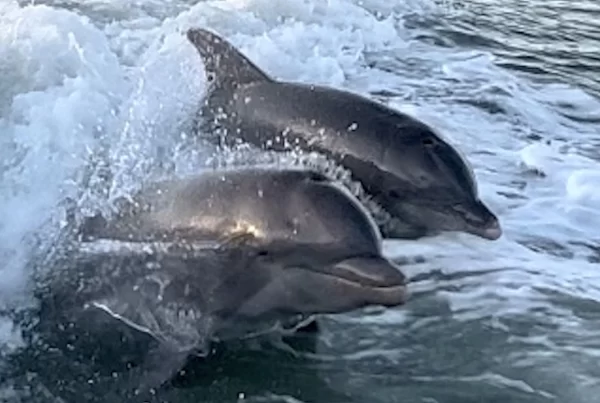
DOLPHINS
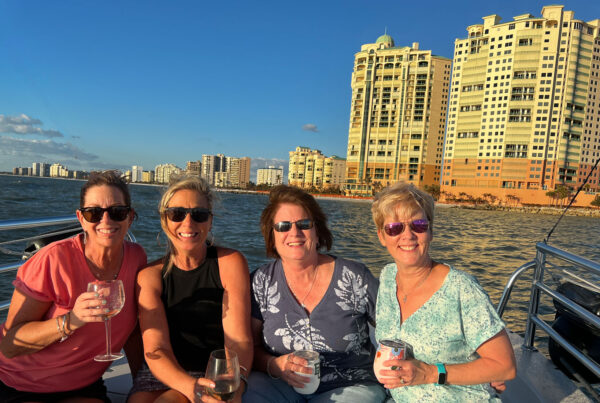
SIGHTSEEING
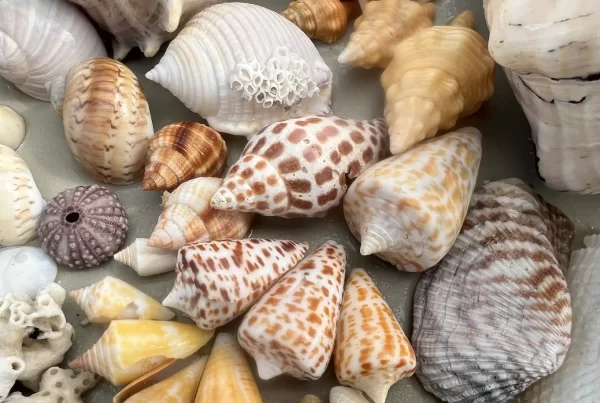
SHELLING
ECO-TOURS
PRIVATE
SUNSETS
Mangrove Boat Tours: A Family Guide by Florida Island Tours
Mangrove boat tours turn Southwest Florida’s quiet backwaters into living classrooms where families can slow down, breathe in the salt air, and see the coast’s wild heart up close. From the calm creeks of Goodland to the edges of the Ten Thousand Islands, these protected waterways keep the ride smooth for kids and grandparents while revealing a maze of roots, birds, dolphins, and the subtle rhythms of the tides. With Florida Island Tours, you’ll explore where the Gulf meets the mangrove forest, learn how these trees protect our shoreline, and discover why this habitat makes such a gentle, memorable day on the water.
Why Mangrove Boat Tours Belong on Your Marco Island Itinerary
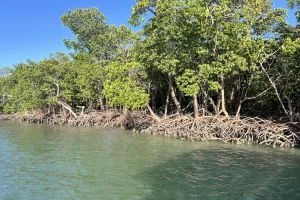 Families love mangrove tours because they combine comfort with discovery. The creeks and bays we travel offer naturally sheltered water, so even on a breezy day, the boat glides without the chop you’d feel offshore. As the channels quiet down, wildlife draws closer—herons stalk the shallows, ospreys hover and dive, and dolphins patrol the edges for schooling fish. Parents appreciate that the experience feels unhurried and relaxed, but also genuinely educational, with each turn revealing something new about how this coastline works.
Beyond the wildlife, mangrove forests protect the places we vacation. Their roots slow waves, trap sand, and help stabilize shorelines during storms. They also store “blue carbon” in a way few ecosystems can, locking away carbon in the mud beneath their roots for decades or even centuries. When you cruise through these creeks, you’re seeing the coastal engine that keeps our waters clearer, our beaches healthier, and our wildlife abundant.
Mangrove Boat Tours: Where We Go and What You’ll See
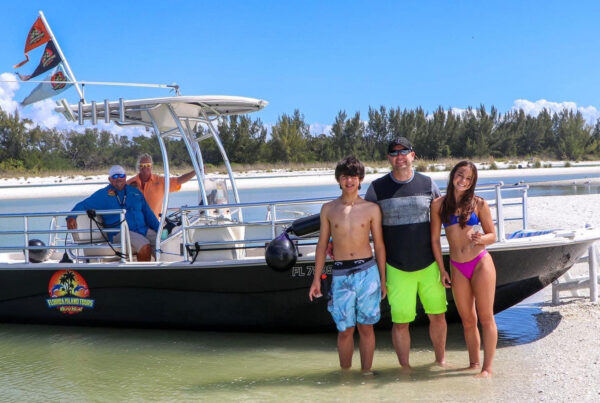
Tours typically begin at our private dock in Goodland, where calm channels lead into a rich patchwork of mangrove islands. Depending on tides and wind, we thread narrow creeks fringed by arching roots, slide along oyster bars that feed the food chain, and pause in quiet coves to watch and listen. On the right tide, we often add a short beach stop on a nearby barrier island so kids can go shelling, wading the gentle shallows, and scanning the wrack line for shells. Because we run small-group trips, your captain has the flexibility to linger at a dolphin encounter, drift longer under a rookery, or ease back into a creek mouth when birds start feeding along the edges.
Meet the Mangrove Community
Florida’s coastal forests host three “true” mangroves—red, black, and white—plus a close companion called buttonwood. Together they form bands along the shoreline, each species thriving at a slightly different elevation and salinity. Once you know the clues, you can identify them at a glance.
Red Mangrove (Rhizophora mangle)
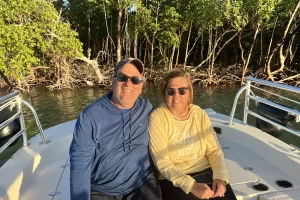 Red mangroves stand on stilt-like prop roots that descend from their trunks and branches into the water, creating a lacework of shelter for juvenile fish, crabs, and shrimp. These roots also help the tree exclude much of the salt at the point of uptake, which is why the leaves look so lush even with their toes in the tide. Reds produce pencil-shaped seedlings called propagules that sprout while still attached to the parent tree; when they drop, they float until currents deliver them to a favorable patch of mud, where they anchor and start a new stand. You’ll find red mangroves at the waterline, facing the waves like a living seawall and building new land one trapped grain of sand at a time.
Black Mangrove (Avicennia germinans)
Just behind the red mangrove band, black mangroves rise where the ground sits slightly higher. Their signature feature hides in plain sight: hundreds of short, pencil-like pneumatophores—breathing roots—that poke up from the mud around the trunk. In this low-oxygen environment, those snorkels draw in air for the underground root system. Black mangroves excrete excess salt through their leaves, so you may see tiny crystals sparkling on the leaf surface in bright sun. Fiddler crabs scuttle between the pneumatophores, mangrove tree crabs cling to trunks, and wading birds patrol the edges when the tide falls.
White Mangrove (Laguncularia racemosa)
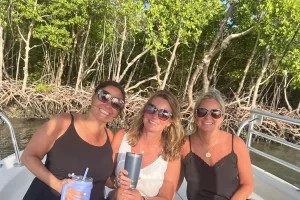 White mangroves usually occupy slightly higher and drier ground than blacks, with smooth-edged, oval leaves that appear thicker and more rounded. At the base of each leaf, two small glands can secrete nectar that attracts insects; some individuals also produce peg roots if their site becomes wetter or more oxygen-poor over time. Whites help complete the coastal staircase, bridging the shift from saturated mud to upland ground and offering perches for songbirds along the edge where salt meets freshwater influence.
Buttonwood (Conocarpus erectus)
Buttonwood is not a “true” mangrove, but it’s a reliable neighbor on the highest berms and transitional ground. Its tapered leaves feel slightly leathery, and its seed clusters resemble small wooden buttons, which give the tree its name. Buttonwood stands stabilize the upland edge, host perches for ospreys and herons, and provide windbreaks where the forest meets open ground. Together with white mangroves, they form the final buffer before you step onto drier land.
Mangrove Boat Tours: Timing the Tides and Seasons
Tides shape every tour, and we design each route around them to make the most of your time. On a rising tide, fish slip into the mangrove roots to hunt, and dolphins often work channel mouths where currents concentrate bait. On a falling tide, mudflats and oyster bars emerge, inviting herons and egrets to forage at our feet while fiddler crabs hurry back to burrows. Glassy early mornings tend to favor birds and photography, while late afternoons cast forgiving light and bring the day’s colors alive. Winter adds migrating species and crisp air; summer brings calmer mornings and exuberant growth; spring and fall balance both worlds with pleasant temperatures and lively feeding windows.
Wildlife Encounters You’ll Remember
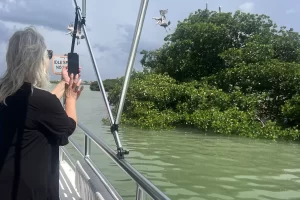 Dolphins headline many mangrove tours by cruising the channel edges for mullet and needlefish. Because we keep a respectful distance and a steady pace, they often choose to parallel the boat, surface just off the beam, and sometimes arc across the wake when conditions feel right.
Manatees browse seagrass in protected coves, especially in warmer months, and their gentle exhale announces them before you spot a whiskered snout.
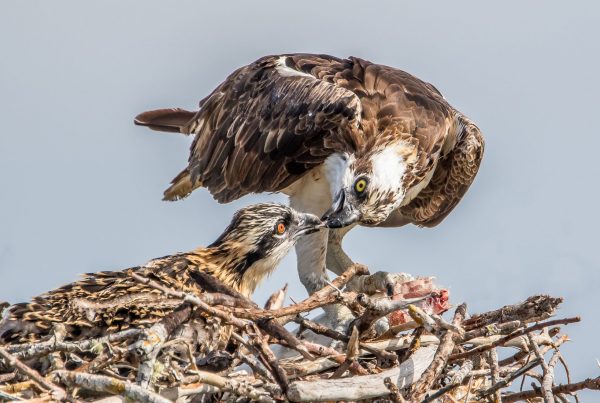
Overhead, ospreys carry late lunches back to a stick nest while brown pelicans skim wingtips across slick water. In the shallows, herons step with choreographed patience, ibis probe for crustaceans, and the occasional roseate spoonbill sweeps its bill in broad arcs like a bright pink paintbrush.
Eco-Friendly Mangrove Boat Tours That Put Wildlife First
Florida Island Tours eco-tours follow slow zones, avoid prop scarring on seagrass, and never feed or chase wildlife. We coach kids and adults on beach ethics, which means leaving live creatures where they belong and packing out everything we bring. Your captain times stops to match friendlier tides and steers routes that minimize wake, protecting both the habitat and your comfort. These choices may seem small in the moment, but they add up to healthier creeks, clearer water, and better encounters for the next family.
Mangrove Boat Tours: What to Bring and How to Prepare
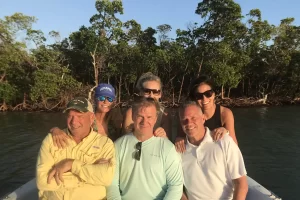 You don’t need much to enjoy a mangrove tour, and keeping it simple helps you stay present for the surprises that pop up around every bend. A hat, polarized sunglasses, and reef-safe sunscreen make the Florida sun more comfortable, and a lightweight long-sleeve layer comes in handy when midday glare bounces off the water. In calm dawns or at dusk, a touch of insect repellent helps, and a phone lanyard or dry pouch protects your best photos. We carry Coast Guard–approved life jackets in every size and keep the pace relaxed so infants, teens, and grandparents all feel at home.
Photography Tips Without the Jargon
If you have a polarizing filter, bring it, because it cuts glare and deepens the greens and blues that define the mangroves. Phone cameras handle these conditions better than ever, so focus on steady hands and simple composition rather than settings. Try changing your viewpoint—kneel or lean for a lower angle to emphasize prop roots, then stand tall to reveal oyster bars or patterns in the flats. For wildlife, wait for breath cues from dolphins and wingbeats from pelicans; a little patience turns quick glimpses into frame-worthy moments.
What a Typical Tour Feels Like
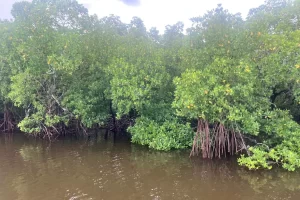 After a safety chat at our Goodland dock, we idle out and let the soundscape settle in around you. The boat eases under leaning branches where shade cools the deck, and the air fills with the soft crackle of snapping shrimp beneath the hull. Your captain points out the first band of red mangroves, then shows you the black mangrove’s pneumatophores at the next bend and the rounder white mangrove leaves perched a bit higher. When dolphins push bait into a corner, we keep our line and pace steady so you can watch without rushing, and when birds gather on an exposed flat, we drift with the current and let the scene unfold. If the tide and wind align, we cap the ride with a short beach stop so the kids can splash in calm water while you scan for a sand dollar or two along the line of seaweed.
Mangrove Boat Tours: Fun Fact
Red mangrove shorelines literally grow outward over time. Prop roots slow the water just enough to drop suspended sand and silt, and those trapped grains create new soil that supports more roots. Given years of patient work, a stand of red mangroves can build an entirely new edge of the coast where there was open water before.
Mangrove Boat Tours: Captain’s Tip
When you’re hoping for dolphins, watch the surface patterns as much as the horizon. Tight V-shaped ripples often betray mullet schools; if you see those Vs stacking along a channel edge, keep your eyes just behind them. Dolphins know that pattern better than we do, and they often appear right where those bait lines pinch together.
Comfort and Safety for Every Age
Small groups keep conversation natural and let us tailor the day to your family. We pick leeward routes when the breeze picks up, pause for water and snack breaks whenever someone needs a moment, and keep speeds gentle in narrow creeks. Most tours run two to three hours, which fits neatly between breakfast and lunch or after a lazy morning at the beach. If you tell us your kids’ ages and interests ahead of time—dolphins, birds, shells, or a bit of everything—we’ll design a plan that hits the right notes without rushing.
Why This Habitat Makes Your Vacation Better
Mangroves protect the coast you came to enjoy. They cushion neighborhoods from storm energy, filter runoff after summer rains, and shelter the seagrass beds that raise the next generation of fish. Clearer water, healthier beaches, and thriving wildlife all connect back to these roots. When you choose a mangrove boat tour, you aren’t just checking a box on the vacation list; you’re experiencing the natural system that keeps Marco Island and Goodland vibrant.
What is a mangrove boat tour, and how is it different from an open-water cruise?
A mangrove tour explores protected creeks and bays rather than the open Gulf, so the water stays calmer and the ride feels smoother for all ages. You’ll travel through a living forest of roots and islands where wildlife feeds, hides, and raises young. The pace is relaxed, the viewing distance is closer, and the narration focuses on how this ecosystem protects our coast.
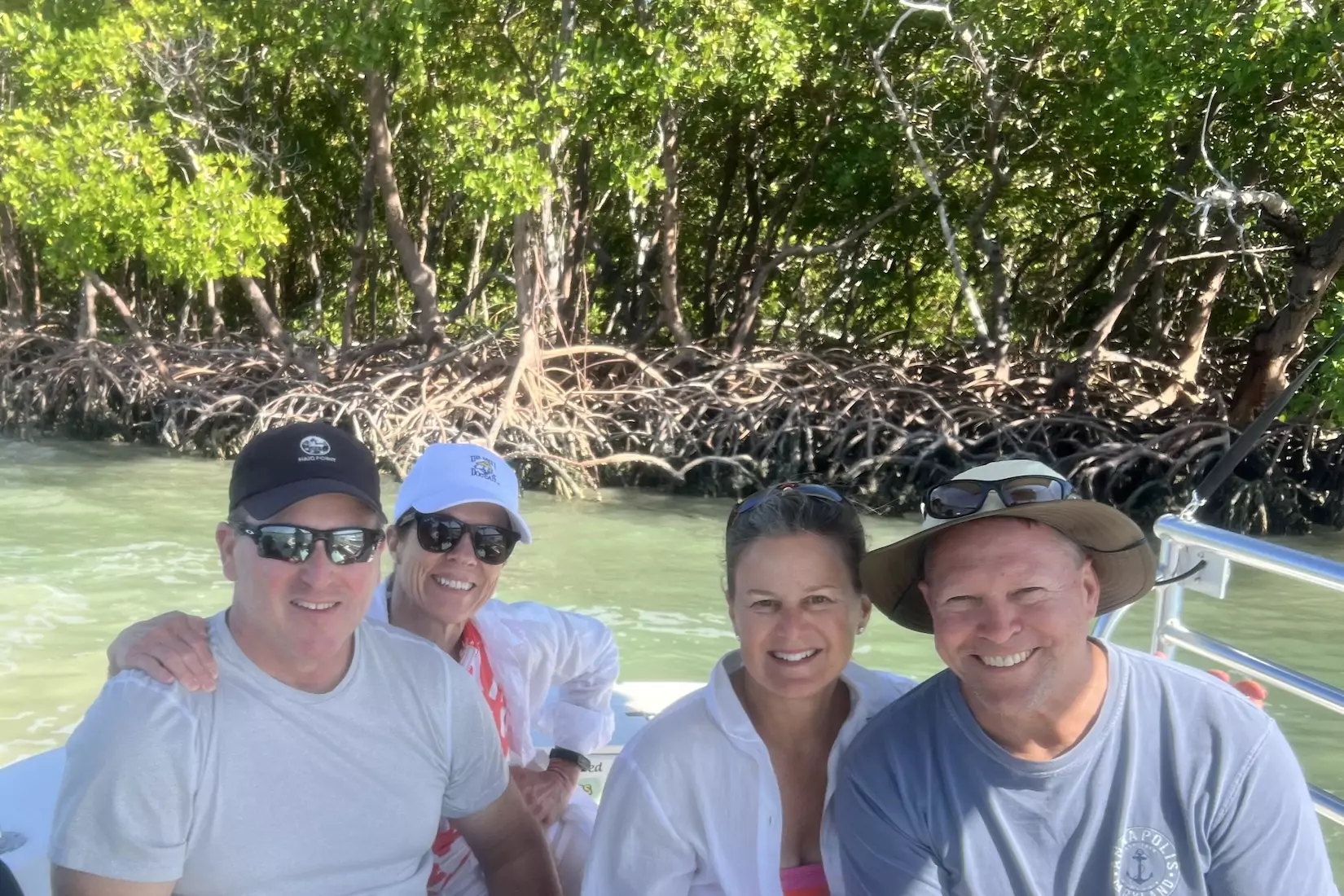
”Super-educational and a great experience! We had Captain Nate and it was awesome!! We experienced going through the mangroves and got to see plenty of dolphins, including them following the boat. It was super educational and a great experience, thanks Captain Nate!
Steve M.Boston, MA
FAQ: Mangrove Boat Tours
Where do tours depart, and is parking easy?
Tours depart from Florida Island Tours’ private dock in Goodland, just minutes from Marco Island. Parking is straightforward, free, and close to the boat. This makes loading kids, grandparents, and gear simple. Your confirmation includes precise directions and arrival tips.
How long is the tour, and what will we do?
 Most mangrove tours run two to three hours, which fits neatly into a morning or afternoon. The route winds through quiet creeks, past oyster bars and rookeries, with unhurried stops to watch dolphins, birds, and other wildlife. When tides allow, your captain may add a short beach stop for wading and shelling.
Is this good for kids and grandparents?
Yes. Calm backwaters keep the ride comfortable, and our small-group format lets your captain tailor pace and stops to your family. We carry Coast Guard–approved life jackets in all sizes and communicate in clear, kid-friendly language.
What wildlife will we likely see, and are sightings guaranteed?
Dolphins often patrol channel edges, wading birds feed along flats, and ospreys or pelicans may hunt right beside the boat. Manatees appear seasonally in protected coves. Because wildlife is wild, sightings can’t be guaranteed, but our routes, timing, and slow approach maximize your chances.
Will we stop for shelling?
 Our Island Paradise Dolphin, Shelling, and Birding Eco-tour includes a stop on barrier island beach so families can wade, stretch, and look for shells along the wrack line. Your captain will always prioritize safety, habitat protection, and the day’s conditions when deciding on a landing.
What should we wear and bring?
Wear sun-smart clothing, a hat, and polarized sunglasses, and apply reef-safe sunscreen lotion. Bring water and a small snack for kids, plus a phone lanyard or dry pouch for photos. A light long-sleeve layer helps with midday glare, and a touch of insect repellent can be helpful at dawn or dusk.
How do tides and weather affect the route?
Tides shape where fish feed and birds hunt, and they also determine which creeks offer the best access. Your captain plans each tour around the day’s tide and wind to keep the ride smooth and the viewing excellent. If conditions change, we adapt the route on the fly.
What happens if the forecast looks bad?
Safety comes first. If weather makes conditions unsafe or would significantly reduce the quality of your tour, we will work with you to reschedule or provide options according to our weather policy. We monitor local marine forecasts closely and make timely calls to avoid surprises.
Will I get seasick on a mangrove tour?
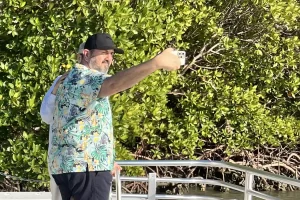 Most guests feel comfortable because we travel in protected water rather than the open Gulf. We choose leeward routes when it’s breezy and keep speeds gentle in narrow creeks. If you are sensitive, eating a light snack beforehand and focusing on the horizon usually helps.
Are there restrooms available?
Restrooms are available before departure across the street from the dock at Stan’s Idle Hour. We plan the tour length and route with families in mind, and your captain can advise on timing before you board.
Is the boat accessible for limited mobility?
We assist guests during boarding and keep the deck clear so movement feels safe and straightforward. If someone in your group has specific mobility needs, let us know in advance so we can prepare the best boarding plan and seating arrangement.
Can we book a private charter and customize the day?
Absolutely. Private charters let you set the pace and emphasis—more time for dolphins, a longer beach stop, or extra birding in a rookery. Tell us your group’s ages and interests, and we’ll build a plan that fits.
Can we bring snacks or drinks on board?
Yes. You’re welcome to bring snacks and beverages, and we provide a cooler with ice. For everyone’s comfort and to keep the deck tidy, please avoid red wine and glass containers.
Are life jackets provided?
Yes. We carry Coast Guard–approved life jackets in sizes for infants through adults and review safety procedures before departure. Kids wear properly fitted vests based on age and size.
Can we take photos and videos during the tour?
Please do—this is a great setting for both phones and cameras. Your captain will suggest angles, timing, and gentle positioning to keep wildlife relaxed while you capture the moment. Polarized sunglasses help you see into the water for fish and rays.
How many people are on each tour?
We run small-group trips so everyone gets a clear view and time to ask questions. Smaller groups also allow us to move quietly, which enhances wildlife encounters and maintains a peaceful experience. Boat tours are limited to 6 or 12 passengers.
Is the tour eco-friendly?
Yes. We follow slow-speed zones, avoid prop scars on seagrass, and never feed or chase wildlife. We teach beach ethics—leaving live creatures where they belong—and we pack out everything we bring, so the next family enjoys the same pristine water.
Ready to Explore the Mangroves?
Florida Island Tours makes it easy to step into this world at a comfortable pace and on a route tuned to the day’s tide and weather. You bring curiosity, sunscreen, and a sense of adventure; we get the boat, the know-how, and the calm, kid-friendly approach that turns a simple outing into a story your family will keep telling. The mangroves are waiting, the dolphins aren’t far, and the best memories often happen in the quiet moments between the big sightings.