

Last Updated: November 7, 2026
Quick Summary
Wildlife viewing around Marco Island includes bottlenose dolphins, wading birds, shorebirds, and manatees, with sightings depending on season and weather. Early morning and late afternoon are usually the most active times, and a boat tour offers access to the Ten Thousand Islands.
- Bottlenose dolphins often cruise the coastal waterways around the islands.
- Dolphin sightings depend on season, tide, water conditions, and luck, so none are guaranteed.
- Herons, egrets, pelicans, and white ibis are common along the shoreline.
- Early morning and late afternoon are usually better than midday for wildlife.
- Keep a respectful distance, never feed animals, and stay on marked trails in nesting areas.
Table of Contents
- What Wildlife Can You Actually See Around Marco Island?
- Dolphin Eco Tour Marco Island: Watching Dolphins From the Water
- Birds, Manatees, and Shorelife: A Seasonal Wildlife Calendar for 2026
- Marco Island Nature Preserve and Bird Sanctuary: What to Look For
- Best Marco Island Dolphin Tour: Choosing the Right Trip for Your Group
- Marco Island Boat Tours and the Ten Thousand Islands Waterways
- Viewing Wildlife Responsibly: Distance, Habits, and Ethics
- Weather, Tides, and the Best Time of Day to Watch
- Book Your Marco Island Wildlife Trip With Florida Island Tours
- Frequently Asked Questions
What Wildlife Can You Actually See Around Marco Island?
Marco Island and the Ten Thousand Islands are a patchwork of beaches, mangrove forests, tidal creeks, and protected preserves, and that variety is what makes wildlife viewing here so rewarding. Expect to see a mix of marine animals, wading birds, and shorebirds, along with the occasional land-dwelling resident that wanders into view.
The animals most visitors hope for include bottlenose dolphins, which often cruise the coastal waterways and sometimes decide to ride a boat’s wake. Wildlife around the islands can also include gopher tortoises, burrowing owls, green iguanas, white ibis, and several birds of prey. Sightings depend on the season and the weather, so think of this list as a menu of possibilities rather than a guarantee.
The Marco Island Nature Preserve and Bird Sanctuary is a good reminder of how much feathered activity happens in this part of Florida. Herons, egrets, and pelicans are common along the shoreline, and the mangroves are full of smaller birds if you slow down and listen. Bring binoculars and you’ll notice a lot more than you would from the beach alone.
Dolphin Eco Tour Marco Island: Watching Dolphins From the Water
Seeing dolphins from the water is a completely different experience than spotting a fin from shore. On a boat, you can follow the animals along the channels, watch them feed, and get a sense of how they move through the islands. A good eco tour also explains what you’re looking at, so the sightings come with context.
The quiet moments can be some of the best, when the engine is off and a dolphin surfaces close enough to hear it breathe. That kind of encounter is worth more than any checklist of species. Wild dolphins do what wild dolphins want to do, and that’s part of the thrill.
For a more personal outing, our dolphin tour page explains how the trip works, and the eco tour option focuses on the wildlife and habitat side of the day.
Why Dolphin Sightings Are Never Guaranteed
Anyone promising a dolphin on every trip is overselling. Dolphins range widely and follow their own feeding schedules. Season, tide, water conditions, and simple luck all play a role.
That’s why we describe these tours as opportunities. When the dolphins cooperate, it’s one of the best parts of the day. When they don’t, there are still mangroves to explore, birds to spot, and islands to see from a new angle.
Birds, Manatees, and Shorelife: A Seasonal Wildlife Calendar for 2026
Here’s a month-by-month look at what tends to be happening around Marco Island, Goodland, and the Ten Thousand Islands, so you can line up your visit with the animals you most want to see. Think of it as a rhythm guide, not a schedule. Wildlife doesn’t read calendars, and a warm December or a cool March can shift things by a couple of weeks.
January and February. This is a good time for wading birds and wintering shorebirds. Herons, egrets, white ibis, and roseate spoonbills work the shallow flats, and migratory shorebirds crowd the sandbars and mudflats exposed by low tide. Manatees seek warmer water during cold snaps, so calm, sun-warmed backwaters and canal mouths can hold animals on chilly mornings. Dolphins can be seen year-round, and winter often brings clear, calm Gulf days.
March and April. Spring migration picks up and nesting season begins. Ospreys are refurbishing nests and sitting on eggs, and you’ll see them carrying fish back to platform nests and channel markers. Wading bird rookeries in the mangroves get busy and noisy. This is also when sea turtle nesting starts on the barrier beaches, with females coming ashore at night. Give nesting birds and turtles plenty of room, and keep lights and voices low after dark on the beach.
May and June. Nesting season is in full swing. Osprey chicks are growing, wading bird colonies are raising young, and shorebird chicks are running around the flats. Sea turtle nesting peaks, and early-morning beach walks may show crawl tracks from the night before. Manatees are active in warm coastal waters and seagrass beds. This is a great window for birdwatching, but also the time to be most careful about disturbance.
July and August. Heat and afternoon storms shape the day. Wildlife viewing is best at first light and again in the evening. Sea turtle hatchlings begin emerging from nests, usually at night, heading for the water. Shorebird nesting winds down, and some early fall migrants start trickling through. Manatees remain in coastal waters and estuaries. Plan around the storms and you’ll still find good mornings on the water.
September and October. Fall migration builds. Shorebirds and wading birds move through the islands, and the flats and beaches can be full of feeding birds. Ospreys begin heading out, and by late fall many nesting pairs have departed. Sea turtle nesting wraps up, though late hatchlings can still emerge. This stretch of the year can be a rewarding time for birding, with plenty of activity.
November and December. Wintering birds arrive and settle in. Wading birds and shorebirds return to the shallows, and the islands take on their cool-season character. Manatees move toward warmer water as temperatures drop. Dolphins can be seen year-round, and calm winter days can be pleasant on the water.
A few things cut across every month. Tides drive a lot of the action, since birds follow the water’s edge and dolphins often work the moving water around passes like Caxambas Pass. Early morning and late afternoon are almost always better than midday. And weather can rewrite the plan quickly, especially during the summer storm season, so build in some flexibility.
If you have a specific animal in mind, tell us your dates and we’ll help you match them to the season. That’s one of the advantages of going out with local captains who watch these patterns year after year.
Marco Island Nature Preserve and Bird Sanctuary: What to Look For
The Marco Island Nature Preserve and Bird Sanctuary is a good place to start looking for birds without a boat. It’s a good place to practice identifying the wading birds and shorebirds you’ll see on the water later. Walk slowly, keep your voice low, and watch the edges of the mangroves, where birds often hide in plain sight.
Stay on marked trails and respect any posted areas. Birds nesting in the preserve need quiet, and a little patience goes a long way.
Best Marco Island Dolphin Tour: Choosing the Right Trip for Your Group
The right tour depends on who’s coming along. A group tour is a fun, social option that works well for friends and extended families. A private tour gives you more control over the pace, the route, and the stops, which is especially helpful if you’re traveling with young children or want a more personal outing.
Our small-group tours cap at twelve people on private and specialty trips, which keeps the boat from feeling crowded. If you’re weighing options, our private boat tour page and the private versus group comparison can help you decide. For a local view of the water itself, our marine biologist-led boat tours add a naturalist’s perspective to the trip.
Marco Island Boat Tours and the Ten Thousand Islands Waterways
The Ten Thousand Islands are a maze of channels, mangrove islands, and shallow flats, and navigating them well takes local knowledge. Local captains know where the tides move water through the passes and where wildlife tends to gather. Think of the waterways as the backstage area of the region’s ecosystem, where most of the action happens out of sight from shore.
A boat is the best way to see it. You’ll get access to islands and beaches that aren’t reachable on foot, and you’ll see how the mangroves function as nurseries for fish, crabs, and birds.
Before you pick a trip, here is a quick look at the kinds of wildlife the article says you might see around the islands.
| Wildlife | Where to look | Notes |
|---|---|---|
| Bottlenose dolphins | Coastal waterways | Sightings not guaranteed |
| Gopher tortoises | Land areas | Depends on season |
| Burrowing owls | Land areas | Depends on season |
| Green iguanas | Land areas | Depends on season |
| White ibis | Shallow water and shoreline | Common wading bird |
| Herons, egrets, pelicans | Shoreline | Common along the shore |
Viewing Wildlife Responsibly: Distance, Habits, and Ethics
Responsible viewing isn’t just good manners. It’s the difference between an encounter that leaves an animal undisturbed and one that disrupts feeding, resting, or nesting. The good news is that the rules are simple, and following them usually gives you a better view anyway.
Give wildlife room. Viewing guidelines for marine animals are worth knowing before you get on the water. Keep a respectful distance from dolphins, manatees, and sea turtles, avoid chasing or cornering them, and never block a nesting turtle’s path to the water. Check current local guidance from official wildlife agencies before your trip.
Read the behavior, not just the distance. An animal that changes what it’s doing because of you is telling you something. If a dolphin stops feeding and moves away, if a manatee turns and leaves a warm-water spot, or if a bird flushes off a nest, you’re too close. Back off slowly and give the animal room to resume. A good rule of thumb: if you’re the reason the animal changed course, you’ve already crossed the line.
Never feed wildlife. Feeding dolphins, birds, or any other animal changes their behavior, teaches them to associate people with food, and can put them in danger from boats and fishing gear. The same goes for touching or handling wildlife. Wild animals are wild, and that’s the point.
Protect nesting areas. During nesting season, posted areas and seasonal restrictions exist for a reason. Stay on marked trails in the Marco Island Nature Preserve and Bird Sanctuary, keep your voice low, and don’t approach rookeries or nests. Shorebirds and sea turtles are especially vulnerable, and a single disturbance can cost a nest.
Keep your distance on the water, too. Avoid chasing animals with the boat, don’t cut across a dolphin’s path, and give manatees plenty of room in shallow water. If you’re paddling, keep your paddle low and your movements calm around wildlife. Slow, quiet approaches almost always produce better sightings than fast ones.
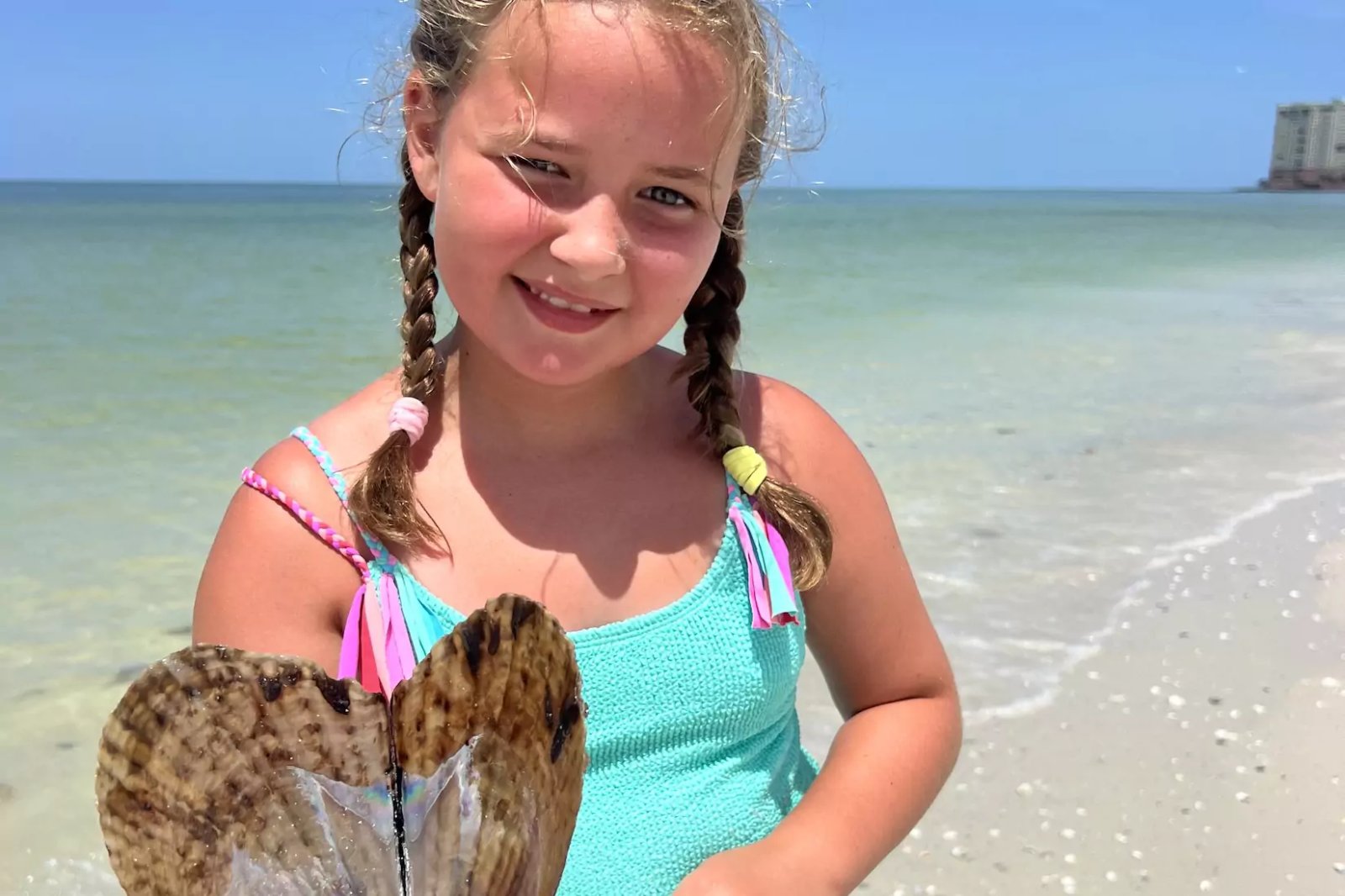
Leave no trace on the beach. If you’re shelling, remember that live shells and living marine creatures stay where they are. Take only empty shells, and leave the rest for the next visitor and the animals that depend on them.
Watch out: it’s easy to get caught up in a close encounter and drift closer without noticing. Assign someone in your group to watch the distance and speak up if you’re getting too near. A little restraint now means these animals stay wild, and wild is what makes the encounter worth having.
Weather, Tides, and the Best Time of Day to Watch
Early morning and late afternoon are often the most active times for wildlife, when temperatures are cooler and animals are feeding. Midday can be quieter, though birds and dolphins still show up. Tides matter too, since many shorebirds and wading birds follow the water’s edge as it moves in and out.
Weather can change plans quickly in Southwest Florida, especially during the afternoon storm season. Build a little flexibility into your schedule, and check conditions the morning of your trip.
Book Your Marco Island Wildlife Trip With Florida Island Tours
Our captains and naturalists are happy to help you plan a wildlife trip that fits your group, your interests, and your schedule. Whether you’re hoping for dolphins, birds, or a quiet afternoon among the islands, we’ll tailor the day to what you want to see. Browse our boat tours or reach out to talk through the options, and we’ll help you find the right trip for your visit to Marco Island.
Ready to see the islands from the water? Florida Island Tours offers private and small-group wildlife trips led by experienced local captains. Book your Marco Island wildlife trip today and discover the Ten Thousand Islands with us.
Frequently Asked Questions
What kind of wildlife can you see around Marco Island?
Around Marco Island you can spot bottlenose dolphins, manatees, wading birds like herons and egrets, ospreys, and shorebirds along the beaches and mangrove edges. The Marco Island Nature Preserve and Bird Sanctuary is a good spot for birders to track local species. Sightings depend on season, tide, and weather, so the animals you see will vary from trip to trip. Keep your eyes open on the water and along the shoreline, because wildlife often shows up in the spots you least expect.
Where can you see dolphins around Marco Island?
Dolphins are most often seen from the water, especially in the Gulf and the waterways that wind through the Ten Thousand Islands. A dolphin eco tour is the most reliable way to get close to them, because a captain can follow their movements and keep a respectful distance. Dolphin behavior changes with the season and the tide, so no spot is guaranteed. Expect to be patient, and enjoy whatever the water chooses to show you that day.
What is the best time of year to see wildlife around Marco Island?
Wildlife viewing around Marco Island changes through the year. Cooler months often bring more birds to the shore, while warmer months are a good time to watch for active marine life on the water. Early morning and late afternoon tend to be calm and easy on the eyes for spotting animals. Check current conditions before you book, since weather and tides shape what you will see on any given day.
Are wildlife sightings guaranteed on Marco Island tours?
No, wildlife sightings are never guaranteed. Animals move with the tides, the weather, and their own schedules, and a tour that promises a specific animal is making a claim nature can’t always back up. What we can promise is a knowledgeable captain, a naturalist who will share what you’re seeing, and a respectful approach to every animal we encounter. Plenty of guests come back with memorable sightings, but the wild ones always decide the show.
What should you bring on a Marco Island wildlife tour?
Bring sunscreen, a hat, polarized sunglasses, and a bottle of water. A light layer helps when the breeze picks up on the water. A camera with a zoom lens is useful for birds and dolphins, and a waterproof bag keeps your phone and gear dry. Comfortable, non-marking shoes are a good idea for boarding. If you have kids, pack snacks and something to keep them busy between sightings.