

Last Updated: November 3, 2026
Quick Summary
A marine biologist led boat tour is a relaxed, captain-led outing where the guide can explain the wildlife and waters you pass. At Florida Island Tours, captains hold US Coast Guard certification and guides are University of Florida certified Master Naturalists.
- Captains hold US Coast Guard certification for steering the boat.
- Guides are University of Florida certified Master Naturalists.
- Dolphin sightings are never guaranteed because dolphins are wild animals.
- Ask about certifications, group size, and who is guiding before booking.
- Tide and season change what an eco tour can show you.
Table of Contents
- What a Marine Biologist Led Boat Tour Actually Looks Like
- Dolphin Watching Tours Marco Island Visitors Book Most
- Exploring the Ten Thousand Islands Eco Tours
- Reading Marine Biologist-Led Boat Tours Reviews and Prices
- Planning Your Trip on the Water With Florida Island Tours
- Frequently Asked Questions
What a Marine Biologist Led Boat Tour Actually Looks Like
Picture this: you’ve climbed aboard a boat at a Marco Island dock, the Gulf breeze is picking up, and the person at the helm is someone who can tell you why that patch of seagrass matters. That’s the heart of a marine biologist led boat tour. It’s not a lecture on a cruise ship. It’s a relaxed, captain-led outing where the guide knows the waters well enough to explain what you’re looking at and why it’s there.
Who Is Guiding You on the Water
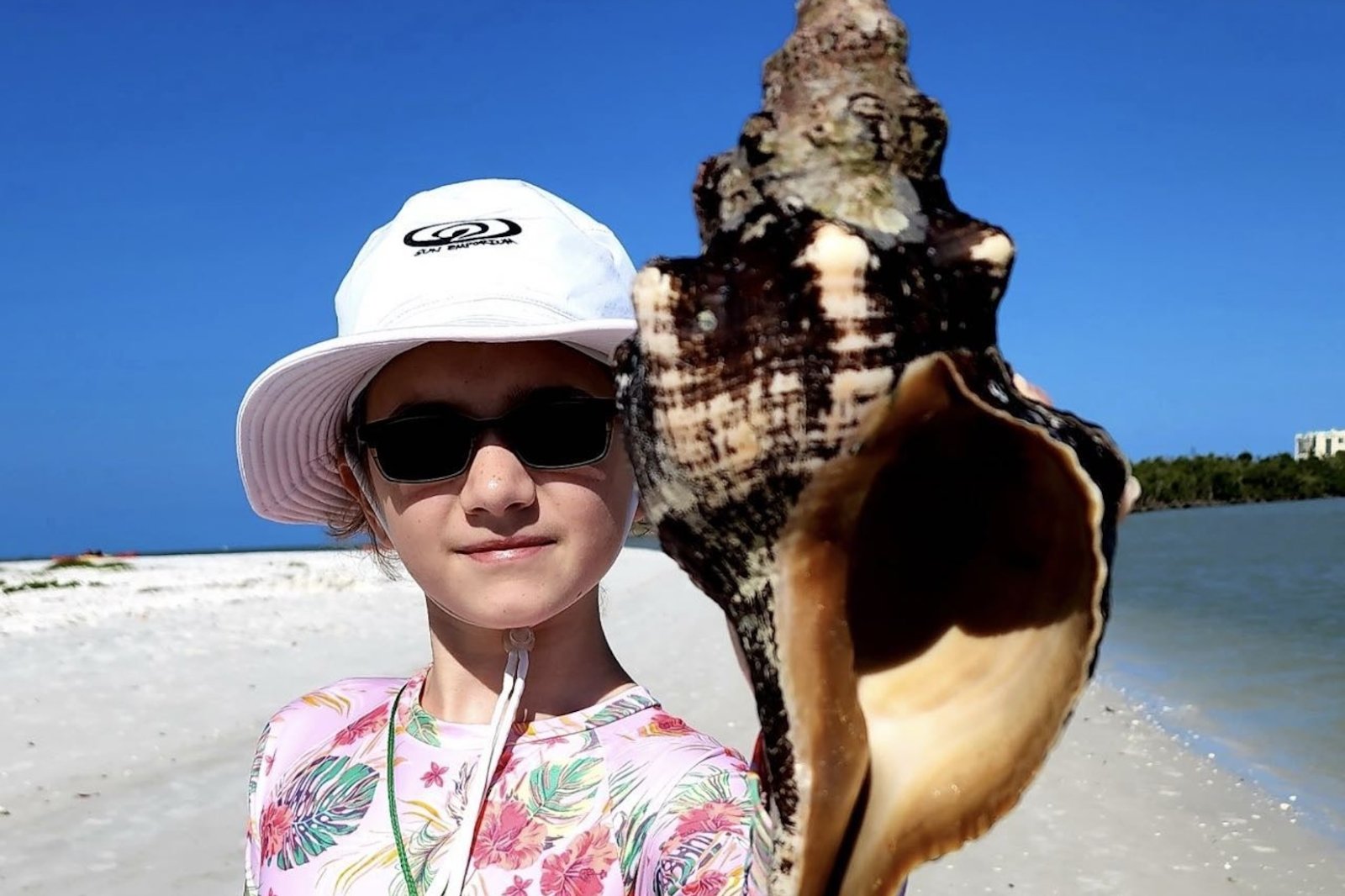
Credentials matter more than a catchy tour name, so it’s worth knowing who is actually behind the wheel and leading the commentary. At Florida Island Tours, our captains hold US Coast Guard certification, and our guides are University of Florida certified Master Naturalists. You can compare the two tours we offer side by side in Calusa Spirit vs Dolphin Explorer: Which Tour Fits You. That combination means the person steering the boat knows the channels, tides, and sandbars, and the person talking about wildlife knows the science behind it. When you’re comparing options, ask about certifications directly. A good operator will answer without hesitation.
How Naturalist Insight Changes the Ride
Here’s where it gets interesting. A boat ride without context is pleasant. A boat ride with a naturalist along is a different experience entirely. Suddenly that bird on a distant piling is an osprey working its way through the mangroves, and the shallow water you’re passing is a nursery for juvenile fish. You start noticing things you’d have missed. Most people leave with a handful of facts they actually remember, which is a pretty good return on a few hours on the water.
Dolphin Watching Tours Marco Island Visitors Book Most
Dolphin watching is the outing people ask about most, and it’s easy to see why. A wild dolphin surfacing beside the hull is one of those moments that makes everyone on board grin at once. Dolphins are often seen feeding and traveling in the calm Gulf waters and around the mangrove islands.
We can’t promise a sighting on every trip. Dolphins are wild animals, and they keep their own schedule. What we can do is take you where they tend to be and explain their behavior while you watch.
Families tend to love this one. Our Dolphin Tour is built around this kind of slow, observant cruising. For a more intimate outing, our Private Boat Tours page explains what a private trip looks like.
Dolphin watching is the outing people ask about most, so here is a quick look at what to expect. For a closer look at a specific trip, see the Marco Island dolphin cruise. If you’d rather have the boat to yourself, you can read about the private dolphin watching option and how it’s arranged.
| What to expect | Detail | Note |
|---|---|---|
| Where dolphins are seen | Calm Gulf waters and around mangrove islands | Dolphins are often seen feeding and traveling here |
| Sighting guarantee | None | Dolphins are wild and keep their own schedule |
| What the tour does | Takes you where dolphins tend to be | Naturalist explains their behavior while you watch |
| Who it suits | Families | Kids get a front-row view of marine life |
Exploring the Ten Thousand Islands Eco Tours
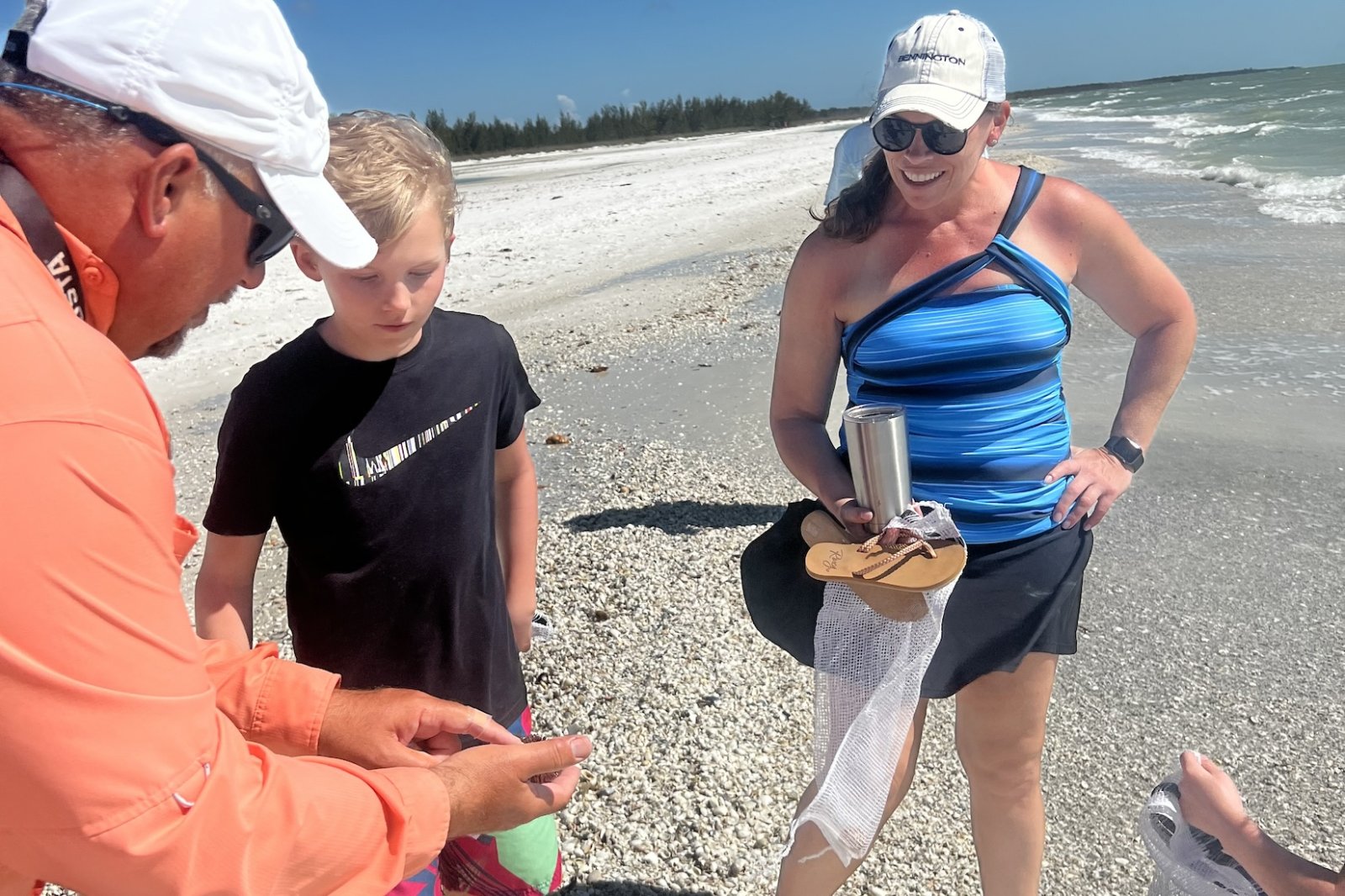
The Ten Thousand Islands stretch south of Marco Island toward Everglades City, and calling them a maze undersells it. Take a look at the dolphin, shelling and birding eco boat tour, which heads out to see wild dolphins and stops on a barrier island to go shelling. It is a jigsaw of islands, oyster bars, shallow bays, and tidal creeks where the water and the land are constantly trading places. On a low tide you’ll see mudflats and exposed oyster reefs that were open water that morning. On a high tide, the same spot is a nursery again.
That daily swing is the whole story of an eco tour here, and it’s why the trip you take depends on when you go. A few of the pieces that make this place work:
- Mangroves as the engine. Red mangroves put down those arching prop roots that trap sediment and shelter juvenile fish, shrimp, and crabs. That’s why the fishing is good, why the birds are here, and why the water clears the way it does.
- The passes. Caxambas Pass and the channels around Goodland and Kice Island are where tide-driven water moves bait and where predators follow. Dolphin, osprey, and wading birds concentrate around these pinch points.
- The barrier islands. Kice Island and Dickman’s Island are the kind of places where a quiet beach and a shell line reward a slow walk. They’re also nesting and resting habitat, so how you visit matters.
- The birds. Osprey, pelicans, herons, egrets, roseate spoonbills, and ibis all use this system. Nesting season runs roughly late winter into spring, and that’s when keeping your distance matters most.
An eco tour is typically slower-paced. If you’re comparing this with a faster sightseeing trip, the Eco Tour is the one built for lingering. Our Sightseeing Cruise covers more ground if you want a broader look at Marco Island.
Responsible viewing matters. Good operators keep distance from dolphins and manatees, don’t chase or corner wildlife, don’t feed anything, and don’t beach the boat on sensitive shorelines. If a shell is occupied, it goes back. If a bird is on a nest, you back off.
Watch out: Tide and season change what an eco tour can show you. A summer afternoon and a winter morning in the same pass can feel like two different places, so ask what the plan is for the tide on your date rather than assuming every trip is the same route.
Reading Marine Biologist-Led Boat Tours Reviews and Prices
Reviews are a useful gut check, but read them the way a captain reads a tide chart: look for the pattern, not the single wave. What you want is repetition.
A few specific things are worth scanning for when you read reviews of naturalist-led trips:
- Guide knowledge in detail. Comments like “she explained why the dolphins were feeding in that pass” tell you more than “guide was great.”
- Pace. Did guests feel rushed, or did the captain linger where the wildlife was? Naturalist trips live or die on patience.
- Group size. A review that mentions “only eight of us” or “packed boat” tells you how the trip actually felt.
- Honesty about wildlife. A good operator sets expectations up front. Reviews that mention the guide explaining why dolphins weren’t around that day are a green flag, not a red one.
- Safety and comfort. Shade, seating, and how the crew handled weather or seas.
On price, pricing depends on trip type, group size, season, and whether you’re booking a shared or private outing. For current rates, check the tour pages or request a quote. Here’s what generally drives the cost so you can compare offers fairly:
- Duration. A two-hour dolphin cruise and a half-day eco tour with a shelling stop are not the same outing.
- Shared versus private. Private and shared trips are priced differently, so compare the specific outings.
- Group size. Group size can affect the per-person rate.
- Season. Dates in peak season can differ in price from other times of year.
- What’s included. Inclusions vary by trip, so check each tour page.
When you compare two offers that look similar on paper, those five factors explain most of the gap. Ask directly: How many guests share the boat? Is the guide the same person driving? What happens if wildlife doesn’t show?
If you’re weighing options against other operators, the same checklist applies. Look at certifications, group size, and whether the trip matches what you actually want to do. And if a listing won’t tell you who’s guiding or how many people are aboard, that’s your answer.
Watch out: A handful of five-star reviews that all use the same phrasing, or that praise the sunset but never mention the guide, are worth less than a dozen plain-spoken reviews that talk about what the naturalist actually taught them.
Planning Your Trip on the Water With Florida Island Tours
Planning is easier than most people expect. Start by deciding what kind of day you want: a relaxed sunset cruise, an educational eco trip, or a focused outing for dolphins or shells. Think about who’s coming along, since a trip that suits adults may not hold a small child’s attention for three hours.
A few practical tips help a lot. Bring sunscreen, a hat, and something to drink, and dress for sun and spray. Wildlife viewing is best when you’re patient, so plan for a relaxed pace rather than a checklist. If the weather looks rough, ask about rescheduling options before the day arrives.
When you’re ready, you can explore the full lineup on our Boat Tours page, or look at the Family Friendly Boat Tours Marco Island options if you’re traveling with kids. Florida Island Tours will be glad to help you pick the right trip for your group.
Frequently Asked Questions
Are dolphin sightings guaranteed on wildlife boat tours?
No, and any operator who promises them is overselling. Dolphins are wild and move with the tides, the weather and their own schedules. A good guide will tell you what the water looks like that day, share where dolphins have been feeding recently, and explain what to watch for. If you don’t see one on a given afternoon, the trip still has plenty to offer, from birds and rays to the mangrove shoreline and the history of the islands. Plan for the outing, not a guaranteed show.
How long should a guided wildlife boat tour last?
Most naturalist-led tours run long enough to reach the good spots without rushing. Check the duration on the tour page before you book so you can match it to your group’s energy and schedule.
What should you bring on a wildlife boat tour?
Bring sunscreen, a hat, polarized sunglasses, a refillable water bottle and a light layer for the breeze on the water. Binoculars help with birds and dolphins at a distance, and a waterproof bag keeps phones and cameras dry. Wear closed-toe shoes you don’t mind getting wet. Kids often do well with a snack and a small notebook for drawing what they see. Pack light, since space on a small boat is limited.
Can children enjoy an educational boat tour?
Yes, and many families find that a naturalist guide keeps children engaged. Kids enjoy spotting animals, hearing stories about the islands, and learning why mangroves and seagrass beds matter. If a child gets restless, a change of scenery or a turn at the binoculars usually helps. A relaxed, educational outing works well for most families with children.