

Table of Contents
- Best Shelling Beaches in Marco Island: A Beach-by-Beach Comparison
- Tigertail Beach Shelling: Access, Parking, and What You’ll Find
- Best Time to Go Shelling on Marco Island
- Shelling Conditions Marco Island: Reading Tides and Weather
- Marco Island Shelling Tours: Self-Guided vs. Guided Boat Trips
- What Shells You Can Find and How to Collect Responsibly
- Frequently Asked Questions
Last Updated: October 12, 2026
Best Shelling Beaches in Marco Island: A Beach-by-Beach Comparison
Marco Island earns its reputation as one of the best shelling beaches in Marco Island because its barrier islands, shifting sandbars, and Gulf currents deliver a fresh crop of seashells with every tide. At Florida Island Tours, we run small-group and private shelling excursions through these waters, and we’ve learned that location and timing matter more than luck. This guide compares Marco Island’s best shelling beaches, from busy public stretches to remote islands reachable only by boat.
A quick note on why shells are so abundant here: Marco Island sits at the northern edge of the Ten Thousand Islands, a maze of mangrove islands and tidal flats where currents sweep shells onto the sand overnight. The National Park Service manages much of this coastline as part of the Ten Thousand Islands National Wildlife Refuge, which keeps large stretches of shoreline undeveloped and productive.
Here’s the honest tradeoff most guides skip: the easiest beaches to reach are also the most picked-over. The best shell finds usually require a boat, a low tide, and a willingness to walk a sandbar.
A woman in a sun hat kneeling on a white sand beach, picking up a large lightning whelk shell, with a shallow tidal pool and a sandbar in the background under a clear blue sky
Tigertail Beach
Tigertail Beach is Marco Island’s most popular shelling access point, and the one beach where you can wade a lagoon to reach a shell-collecting sandbar. The crossing depends on the tide; at high water, you’ll swim, not wade. Arrive early, bring water shoes, and expect weekend company.
South Marco Beach
South Marco Beach, often called South Beach, offers easy public access and a long, gentle, family-friendly shoreline. Shelling is steady rather than spectacular: plenty of fighting conchs, scallops, and coquinas, but the biggest prizes get collected quickly because the beach is so accessible.
Sand Dollar Spit
Sand Dollar Spit is a shifting sandbar at the island’s southern tip where sand dollars and larger shells gather. Its exact location isn’t fixed, storms and currents reshape it, and reaching it usually means a boat or a long walk, which is exactly why it stays productive.
Keewaydin Island
Keewaydin Island is a barrier island south of Marco with no bridges or roads, so you can only get there by boat. That lack of access is the point: quieter shelling and thinner competition. A guided shelling tour is the most reliable way to land on the right stretch at the right tide.
| Location | Access | Best For | Crowd Level |
|---|---|---|---|
| Tigertail Beach | Walk-in, lagoon crossing | First-timers, families | High |
| South Marco Beach | Public beach access | Easy, casual shelling | High |
| Sand Dollar Spit | Boat or long walk | Sand dollars, big shells | Low |
| Keewaydin Island | Boat only | Remote, uncrowded shelling | Low |
Tigertail Beach Shelling: Access, Parking, and What You’ll Find
Tigertail Beach is the one Marco Island shelling spot where a walk-in visitor can reach a productive outer sandbar without a boat, provided you time the lagoon crossing correctly.
Parking and entry. The main lot is paid parking, typically enforced during peak season and weekends, with a per-vehicle fee and card or app-based payment. It fills early on winter weekends and around any low tide near sunrise, so arrive 30-45 minutes before your target low tide.
Facilities. Restrooms, outdoor showers, and a concession area are on site, which is why Tigertail is the default for families and first-timers. There’s no lifeguard for the lagoon crossing, so you call the tide.
The lagoon crossing, the part that decides your trip. From the parking area, a boardwalk and beach path lead to the lagoon, which you cross to the Gulf-side sandbar.
What you’ll find. The outer sandbar and Gulf shoreline produce lightning whelks, fighting conchs, scallops, coquinas, and the occasional sand dollar. The Junonia is rare here, but a strong storm that scours the nearshore bottom can put one within reach.
A second access option. Some shellers skip the lagoon and walk south along the beach toward the island’s northern tip, or approach the outer bar from the water. Both trade convenience for distance, and neither is a shortcut on foot with kids.
Best Time to Go Shelling on Marco Island
The best time to go shelling on Marco Island is the two hours before and after a low tide, ideally early morning. Low tide exposes sandbars and flats that are underwater the rest of the day, and early arrival beats both the crowds and the heat.
Seasonally, the calm months from late fall through spring deliver clearer water and easier wading. Summer brings afternoon storms and hotter sand, though each system stirs up shells. Winter cold fronts push larger shells ashore, so dedicated shellers plan around the forecast.
If you only have one morning, prioritize a low tide that falls near sunrise. That combination gives you exposed flats, cooler temperatures, and first pick before anyone else walks the beach.
Shelling Conditions Marco Island: Reading Tides and Weather
Most shelling guides tell you to ‘check the tide.’ That’s not useful on its own. Four things determine whether you walk onto a fresh deposit or a picked-over beach: tide stage, wind direction, recent storm history, and season.
Tide stage is the multiplier. A low tide exposes ground that’s underwater the rest of the day, and the lower the tide, the more ground you get.
Wind direction decides where the shells land. An onshore breeze pushes water, foam, and floating shell material onto the sand, stacking the deposit along the high-water line.
Recent weather is the reset button. A passing front or strong storm scours the nearshore bottom and dumps a fresh load of shells onto the beach, which is why the day or two after a blow is often the best shelling of the month.
Season shifts the whole equation. Late fall through spring brings clearer water, easier wading, and comfortable mornings, the default for families and first-timers. Summer delivers afternoon thunderstorms and hotter sand, but each system stirs the bottom and can refresh a beach overnight.
How to put it together. Check the marine forecast for wind speed and direction, the tide chart for low-tide height and time, and the previous 48 hours of weather.
The National Weather Service marine forecast is the fastest way to check wind and wave conditions before you head out. Pair it with a local tide chart, and you have everything you need to time a productive walk.
Marco Island Shelling Tours: Self-Guided vs. Guided Boat Trips
Marco Island shelling tours make sense when your target is a remote beach public access can’t reach. Self-guided shelling works at Tigertail and South Marco, but the best barrier islands, Keewaydin and the sandbars around the Ten Thousand Islands, require a boat.
A self-guided trip is cheaper and flexible but limits you to walk-in beaches with heavy traffic. A guided boat trip costs more, but it takes you to shorelines most visitors never reach, at the tide window that actually produces shells.
At Florida Island Tours, our private and small-group excursions are led by US Coast Guard certified master captains and University of Florida certified Master Naturalist guides, with a maximum of twelve people on specialty tours. That means a quieter beach, a captain who knows where the sand has shifted, and a guide who can tell you what you just picked up. Guests regularly tell us the shelling was the highlight of their trip.
What Shells You Can Find and How to Collect Responsibly
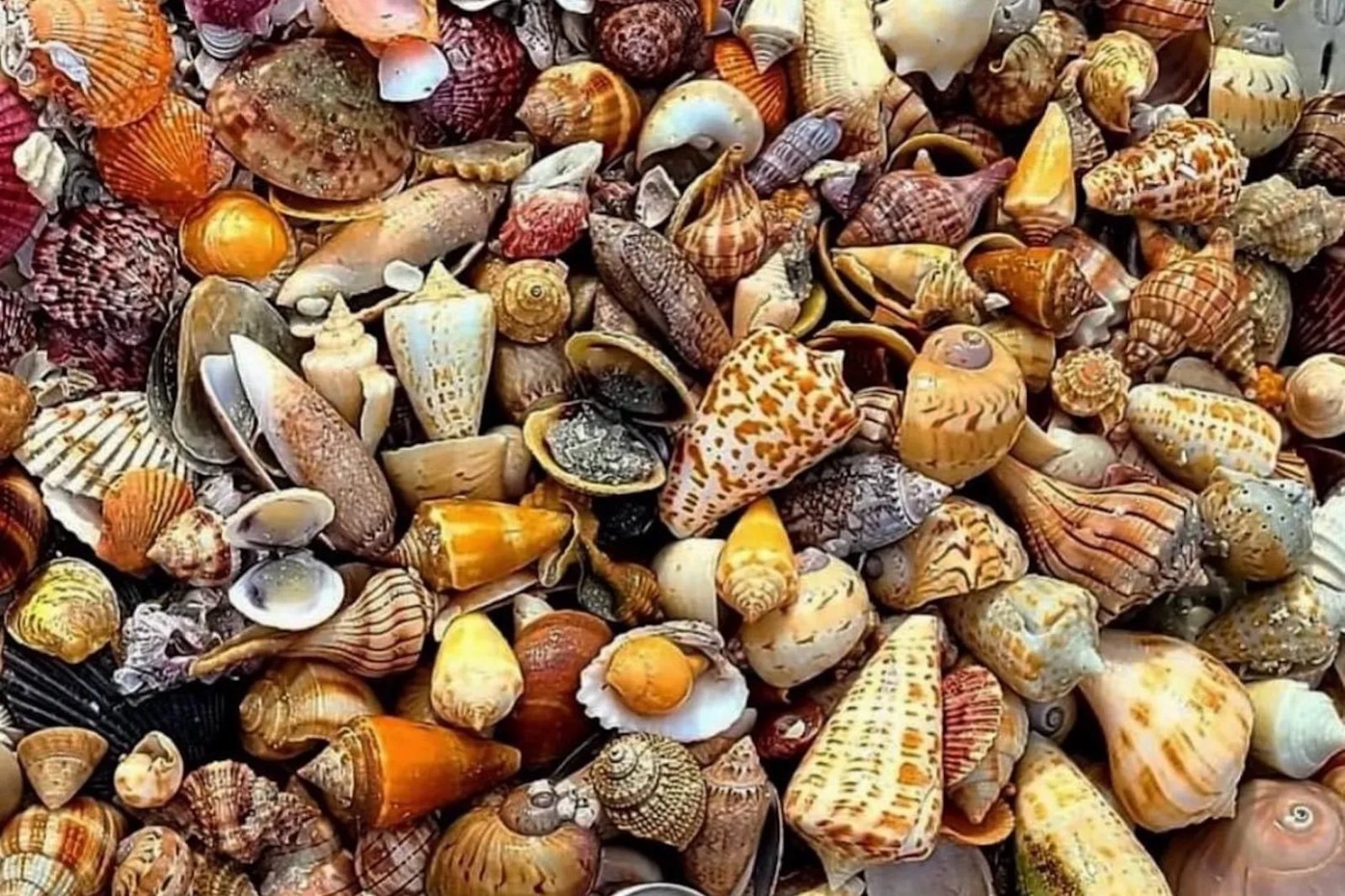
Marco Island’s shell lineup includes lightning whelks, fighting conchs, scallops, coquinas, sand dollars, and the rare Junonia. Knowing what you’re looking at makes the hunt more rewarding and helps you avoid taking something you shouldn’t.
The responsible-collecting rule is simple: take only empty shells and leave anything with an animal inside it. Return live shells, moving sand dollars, and occupied whelks. Local guidance and refuge rules protect living creatures, so check current regulations before you pocket a find.
A few practical habits keep your collection in good shape:
- Rinse shells in fresh water once you’re back, not in the ocean, to stop salt from clouding them
- Store fragile sand dollars flat and dry so they don’t crumble
- Leave the beach as you found it, and don’t dig into dunes or vegetation
If you’re unsure whether a shell is occupied, put it back. There’s always another one, and the beach stays healthy for the next visitor.
Marco Island rewards shellers who plan around the tide, not the clock. The easiest beaches are crowded and picked over; the best finds sit on sandbars and barrier islands you have to boat to. That’s the gap Florida Island Tours was built to close. Our US Coast Guard certified master captains and University of Florida certified Master Naturalist guides run private and small-group shelling excursions with a maximum of twelve people, custom-tailored to your schedule and the day’s conditions. Get started with Florida Island Tours and turn a morning on the water into a memorable shelling trip.
Frequently Asked Questions
Which beach on Marco Island is best for shelling?
Tigertail Beach is the most accessible spot for shelling on Marco Island, with a shallow lagoon and sandbar that collect shells. South Marco Beach offers easier parking and good finds near the southern tip. For the best variety, boat-access beaches like Sand Dollar Spit and Keewaydin Island produce the most unbroken shells because fewer people walk them daily.
When is the best time to go shelling on Marco Island?
The best time to shell on Marco Island is during an outgoing tide, especially the first two hours after low tide, when fresh shells are exposed. Arrive at sunrise for the best selection and fewer people. Winter and early spring bring stronger cold fronts that churn up new shells, making November through April the most productive months for beachcombing.
Do you need a boat to reach the best shelling spots near Marco Island?
Not always. You can reach Tigertail Beach and South Marco Beach by car and on foot. But the most secluded, shell-covered beaches, including Sand Dollar Spit, Keewaydin Island, and the barrier islands within the Ten Thousand Islands, require a boat. A guided Marco Island shelling tour can take you to these remote beaches without needing your own vessel.
What is the rarest shell found on Marco Island?
The Junonia is Southwest Florida’s most coveted shell, and finding one on Marco Island is considered a once-in-a-lifetime event. Lightning whelks, alphabet cones, and lion’s paws are more common but still exciting finds. Sand dollars are common on the sandbars, but collect only the white, sun-bleached tests; leave live sand dollars in the water.
What are the rules for collecting seashells on Marco Island?
Florida law prohibits collecting live shells, so return any shell with an animal inside, including live sand dollars, to the water. Most public beaches have no daily bag limits for empty shells, but taking shells from protected areas within the Ten Thousand Islands National Wildlife Refuge is restricted. Check current regulations before you collect, and always leave the live ones behind.
How do I check shelling conditions on Marco Island before I go?
Check the seven-day forecast for wind speed and direction, then check the tide chart for low-tide times. A falling tide combined with a light onshore breeze creates the best shelling conditions. Avoid days with strong south winds, which push fewer shells onto the beach. Local shelling guides and tour operators often post daily condition reports on social media.