
Table of Contents
- What Makes a Boat Tour Eco-Friendly
- Family Boat Tours: Keeping Kids Engaged and Safe
- Boat Tour Duration for Families: Finding the Right Length
- Responsible Wildlife Boat Tours: How Captains Protect What You See
- Questions to Ask Before Booking a Boat Tour
- Why Local Expertise and Small-Group Tours Matter
- Planning Your Eco-Friendly Adventure
- Frequently Asked Questions
Last Updated: October 19, 2026
What Makes a Boat Tour Eco-Friendly
Eco friendly boat tours in Florida are more than a marketing label. It’s a set of operating choices you can actually see, ask about, and verify. Plenty of operators use the word “eco” on a brochure. Fewer can explain what they do differently on the water. Here’s how to tell the difference.
The Practices Behind the Label
Real low-impact operations tend to share a handful of concrete habits:
- Wildlife distance rules. Responsible captains keep a respectful buffer from dolphins and manatees rather than chasing a sighting, and they give nesting shorebirds and sea turtles wide berth. Federal rules under the Marine Mammal Protection Act prohibit feeding, touching, or harassing marine mammals, and the Endangered Species Act protects sea turtles and other listed species (Marine Life Viewing Guidelines: Guidelines And Distances). A good operator can tell you how they apply those rules in practice, not just that they exist.
- Quiet, shallow-draft propulsion. Shallow-water hulls and careful throttle work let a boat ease through mangrove creeks and over seagrass beds without tearing up the bottom. Seagrass is the nursery for so much of what lives here, and prop scars can take years to heal (Artificial Habitats Working Group).
- Waste and fuel discipline. Look for operations that pack out everything they bring, avoid single-use plastics on board, and run well-maintained engines rather than idling for long stretches.
- Small group sizes. Fewer guests per boat means less disturbance at every stop, whether you’re easing past a rookery or walking a shell bar.
Why This Matters Around the Ten Thousand Islands
The maze of mangrove estuaries around Goodland, the barrier islands like Kice and Dickman’s, and the waters off Caxambas Pass are sensitive places. They’re also the reason people come. An operator who understands the tides, the seasonal wildlife patterns, and the ecology of these islands tends to run a lighter footprint almost by instinct, because they’ve watched what careless boating does over time.
When you talk to any tour company, ask a specific question: “How close do you get to dolphins, and what do you do if one approaches the boat?” The answer tells you more than any eco-certification badge.
At Florida Island Tours, we’ve built our approach to eco friendly boat tours in Florida around exactly this. Our captains and naturalist guides know these waters well enough to find incredible wildlife encounters while keeping a respectful distance that protects the animals and their habitat. When you choose a genuinely low-impact tour, you’re not just getting a nice day on the water. You’re supporting responsible tourism that keeps these islands healthy for the wildlife that calls them home and for the visitors who’ll follow you.
Family Boat Tours: Keeping Kids Engaged and Safe
Family boat tours work best when they balance education with genuine fun. Kids lose interest fast if they’re just sitting on a boat watching water pass by.
Safety matters too. The best family tours have clear safety briefings, properly maintained vessels, and crew who watch over younger passengers without making them feel babysat. Parents want to relax, and kids want to feel like they’re on a real adventure, not a supervised field trip.
Age-Appropriate Activities and Learning
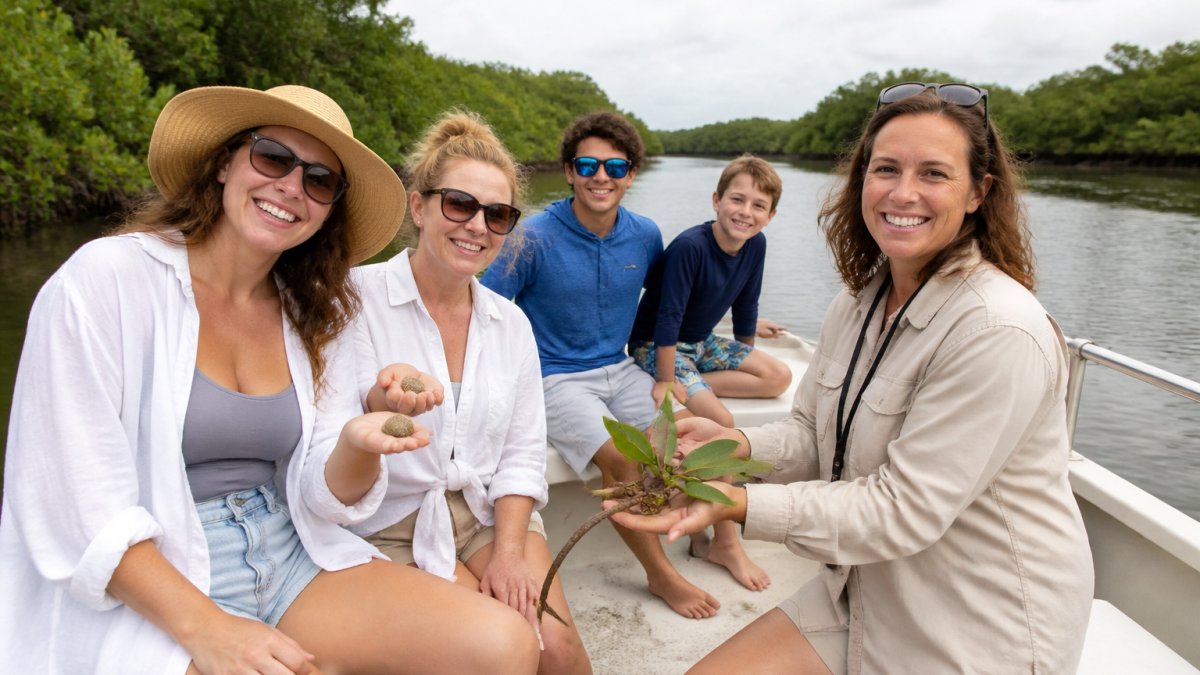
Different ages need different things. Toddlers and young children do best on shorter tours with frequent stops where they can move around. School-age kids thrive when they’re given a role, spotting wildlife, learning to identify shells, or helping the captain watch for dolphins.
Teenagers often surprise us. They think they’re too cool for a nature tour until they see a wild manatee or find a rare shell. When guides treat them like junior naturalists rather than kids, they engage completely.
The best family tours offer:
- Interactive learning that doesn’t feel like homework
- Chances to touch and examine shells and natural objects (without harming living creatures)
- Realistic expectations about what you’ll see.
- Flexibility if a child needs a break or gets uncomfortable
Comfort and Safety Features
A boat that’s comfortable for families has shade, fresh water, and bathrooms. It sounds basic, but you’d be surprised how many tours overlook these details. Kids get cranky in the sun, and parents get stressed when there’s nowhere to use the restroom.
Safety features to look for include:
- Life jackets in good condition and proper sizes for children
- Railings and non-slip surfaces throughout the boat
- A clear safety briefing before departure
- Crew trained in first aid
Boat Tour Duration for Families: Finding the Right Length
How long should a family boat tour actually be? Most families do best with tours between 1.5 and 3 hours. Shorter tours might feel rushed, while longer ones test everyone’s patience, especially with younger kids.
The sweet spot depends on your family’s comfort on the water and how engaged the kids are. A really good guide can keep a group interested for three hours.
Consider these factors when choosing a tour duration:
- Your child’s tolerance for being on a boat
- How much time you want to spend shelling or exploring beaches
- Whether you prefer a relaxed pace or want to cover more ground
- Nap schedules for younger children
Responsible Wildlife Boat Tours: How Captains Protect What You See
Wild dolphins, manatees, and nesting birds don’t exist for our entertainment. They’re living their lives, hunting, raising young, and trying to survive. A responsible captain understands this and operates with respect for the animals.
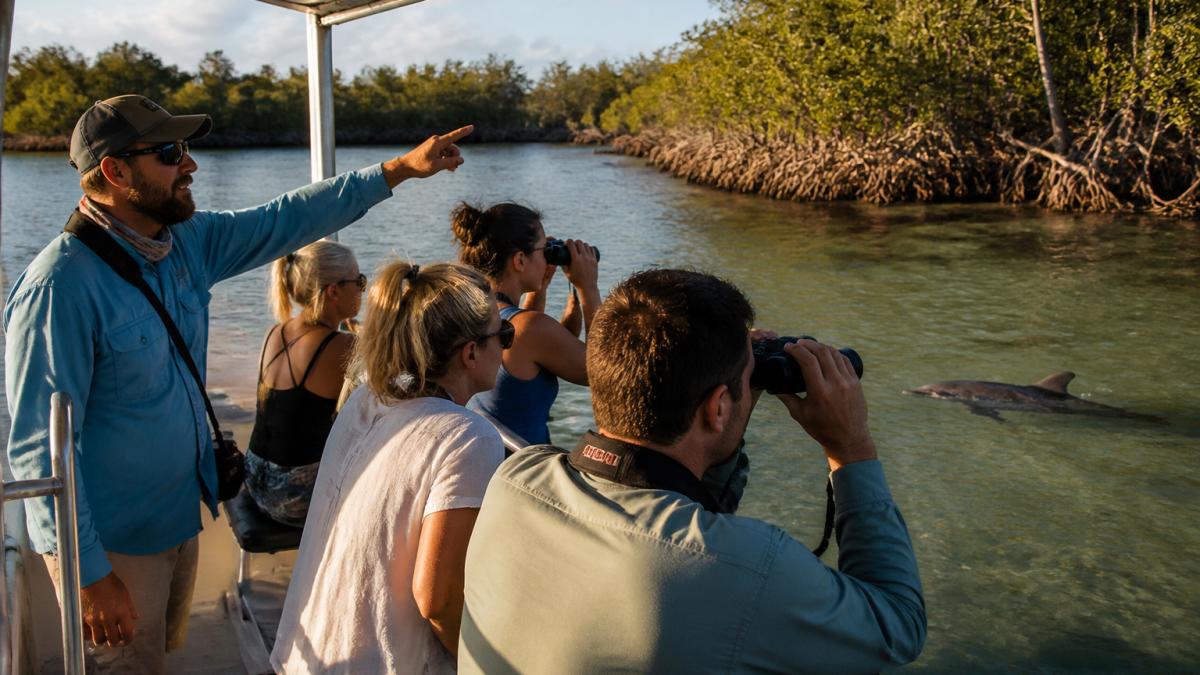
Responsible wildlife viewing means:
- Keeping a safe distance from animals (not approaching nests or mothers with young)
- Never feeding or attempting to touch marine mammals
- Avoiding areas during sensitive seasons like bird nesting or sea turtle hatching
- Slowing down and cutting engines when near wildlife
Our captains at Florida Island Tours have spent years learning the habits of local dolphins, manatees, and birds. We know where they feed, rest, and raise their young.
Questions to Ask Before Booking a Boat Tour
Before you commit to any boat tour, ask the right questions. This is how you separate genuinely eco-friendly operators from those just borrowing the label. The trick is knowing what a good answer sounds like.
Certifications, Credentials, and Local Knowledge
Start with the basics, and listen for specifics rather than vague assurances:
- Is the captain US Coast Guard licensed? A licensed captain carries a Merchant Mariner Credential, and the vessel should be Coast Guard inspected or documented depending on its size.
- What training do the naturalist guides have? Formal training in marine biology, ecology, or a recognized naturalist program is a good sign. Ask what it covered.
- How long has the company operated in these specific waters?
- Can they describe their safety record and maintenance routine? You don’t need to see logs, but a clear, calm answer is reassuring.
A genuine operator won’t hesitate to share these details. If a company gets defensive or vague, that’s your red flag.
Group Size, Boat Conditions, and What’s Included
Ask specific questions about the actual experience:
- How many people will be on the boat? Small groups feel completely different from a packed commercial run.
- What’s the boat’s condition, and when was it last serviced? Shade, seating, and a clean deck matter on a hot day.
- Is shade available for the whole tour? Southwest Florida sun is no joke.
- Are life jackets provided in proper sizes, including for children? They should be.
- What’s included, and are there extra costs? Ask about shelling bags, water, sunscreen, and anything else you’d assume is covered.
Logistics That Make or Break the Day
A few practical details are worth confirming before you book:
- Departure point and parking. Confirm where you’ll meet and whether parking is easy, especially in peak season.
- Restroom availability. Some small boats don’t have one. Know before you go, particularly with kids aboard.
- Accessibility and mobility. Ask whether boarding involves steps and whether the boat can accommodate strollers, wheelchairs, or guests with limited mobility.
- Motion sickness. If anyone in your group is prone to it, ask about sea conditions and whether calmer morning departures are an option.
- Weather and cancellation policy. Understand how rescheduling works if a front moves in.
The best booking conversation feels like talking to a knowledgeable local, not reading a script. If the answers are specific, honest about what nature can’t guarantee, and easy to understand, you’re in good hands.
Florida Island Tours keeps groups small so every guest gets personal attention and a real chance to connect with the islands and wildlife. Our US Coast Guard certified captains and University of Florida certified Master Naturalist guides are happy to answer every one of these questions before you book. That’s part of what makes a locally led, small-group tour different.
Why Local Expertise and Small-Group Tours Matter
There’s a huge difference between a captain who learned these waters from a guidebook and one who grew up exploring them. Local expertise isn’t just about knowing where dolphins hang out.
Small-group tours create a completely different vibe. Everyone gets heard. Kids can ask questions without feeling rushed. Adults can actually relax instead of fighting for a spot at the railing.
When you choose a small-group eco-friendly boat tour led by local captains, you’re getting:
- Real knowledge built over years of being on these waters
- Personal attention that makes the experience memorable
- Flexibility to follow wildlife or explore a beach longer
- Guides who genuinely care about these islands and their future
- Stories and insights you won’t find in any brochure
Planning Your Eco-Friendly Adventure
Choosing the right eco-friendly boat tour comes down to matching your expectations with reality. You’re not going to see dolphins every single time. Weather might change your route.
Start by being clear about what matters to you. Do you want wildlife viewing? Beach exploration? Educational experience? Relaxation? Different tours emphasize different things, and that’s okay.
Florida Island Tours specializes in exactly this kind of authentic, small-group experience. Our US Coast Guard certified captains and University of Florida certified Master Naturalist guides know Marco Island and the Ten Thousand Islands intimately.
The best time to book is when you’re excited about it. When you’re ready to explore these remarkable waters, book a tour with Florida Island Tours and discover why local expertise and genuine respect for these islands make all the difference.
Frequently Asked Questions
What makes a boat tour eco-friendly?
A truly eco-friendly boat tour prioritizes wildlife protection and environmental conservation. Look for tours using smaller vessels that access shallow waters without disturbing habitats, captains trained in wildlife behavior and marine ecology, and guides who maintain respectful distances from animals. Responsible operators never guarantee sightings, don’t feed or touch marine life, and avoid nesting areas. They educate guests about local ecosystems and leave no trace of their presence in the water.
How do I choose a responsible wildlife boat tour?
Start by verifying certifications: US Coast Guard-certified captains and naturalist credentials matter. Ask how many people fit on the boat and whether guides are trained naturalists, not just boat operators. Request information about their wildlife-viewing practices and environmental policies. Check if they’re familiar with specific local areas like the Ten Thousand Islands and mangrove estuaries. Trust your instinct about whether they’re genuinely passionate about conservation or just selling an experience.
How long should a family boat tour be?
For most families with younger children, two to three hours strikes the right balance. Shorter tours keep attention spans engaged without fatigue, while longer excursions allow time to explore different habitats, spot wildlife, and collect shells without feeling rushed. The best duration depends on your kids’ ages and interests. Discuss your family’s preferences when booking, and don’t hesitate to ask what activities fill each hour so you know what to expect.
What should I ask before booking a boat tour with my family?
Ask about group size and boat capacity, captain and guide certifications, what wildlife you might encounter and how guides teach about them, comfort features like shade and seating, what’s provided versus what to bring, cancellation policies if weather turns bad, and how the tour keeps children engaged. Also ask about their track record with families, whether they adjust the pace for different ages, and what happens if conditions don’t allow wildlife viewing. These questions help you find a tour that matches your family’s needs.
Planning an eco-friendly boat tour in these waters means choosing captains and guides who know every mangrove, every tidal channel, and every creature that calls this place home. Florida Island Tours brings that deep local knowledge to every tour, paired with the safety and comfort standards that make the experience genuinely relaxing. Explore the Ten Thousand Islands with guides who care as much about protecting these waters as they do about sharing their beauty with you.