

Last Updated: November 18, 2026
Quick Summary
A sand dollar shelling alternative worth trying is sea glass, fossil shark teeth, or empty lightning whelks, since they are sturdier and easier to bring home than fragile sand dollars. Sea glass and shark teeth are low-fragility finds that survive the trip home well. Always leave living sea stars and urchins where they are.
- Sea glass has low fragility and needs no ethical question before you pocket it.
- Fossil shark teeth are dense, settle where waves pull back, and survive a pocket well.
- Empty lightning whelks are far sturdier than sand dollars once they are empty.
- Sea urchin tests are the closest cousin to sand dollars, but they are very fragile.
- Leave any shell that is alive, including sea stars, urchins, and shells with a creature inside.
Table of Contents
- Why Sand Dollars Are Harder to Find Than You Think
- Beach Finds Besides Sand Dollars Worth Looking For
- Shells Found on Marco Island and Where to Look
- Guided Boat Trips vs. Walking the Beach
- Picking Up Shells Without Hurting What Lives There
- Planning Your Shelling Day on the Water With Florida Island Tours
- Frequently Asked Questions
Why Sand Dollars Are Harder to Find Than You Think
If you’ve walked a Gulf beach hoping to bring home a perfect sand dollar, you may have come back empty-handed. Sand dollars live in shallow sandy water, and the ones that wash up are often broken, buried, or already picked over, so many visitors settle on a sand dollar shelling alternative like sea glass or shark teeth. Many visitors come home disappointed, and that’s where a few other finds can make your beach day feel like a win.
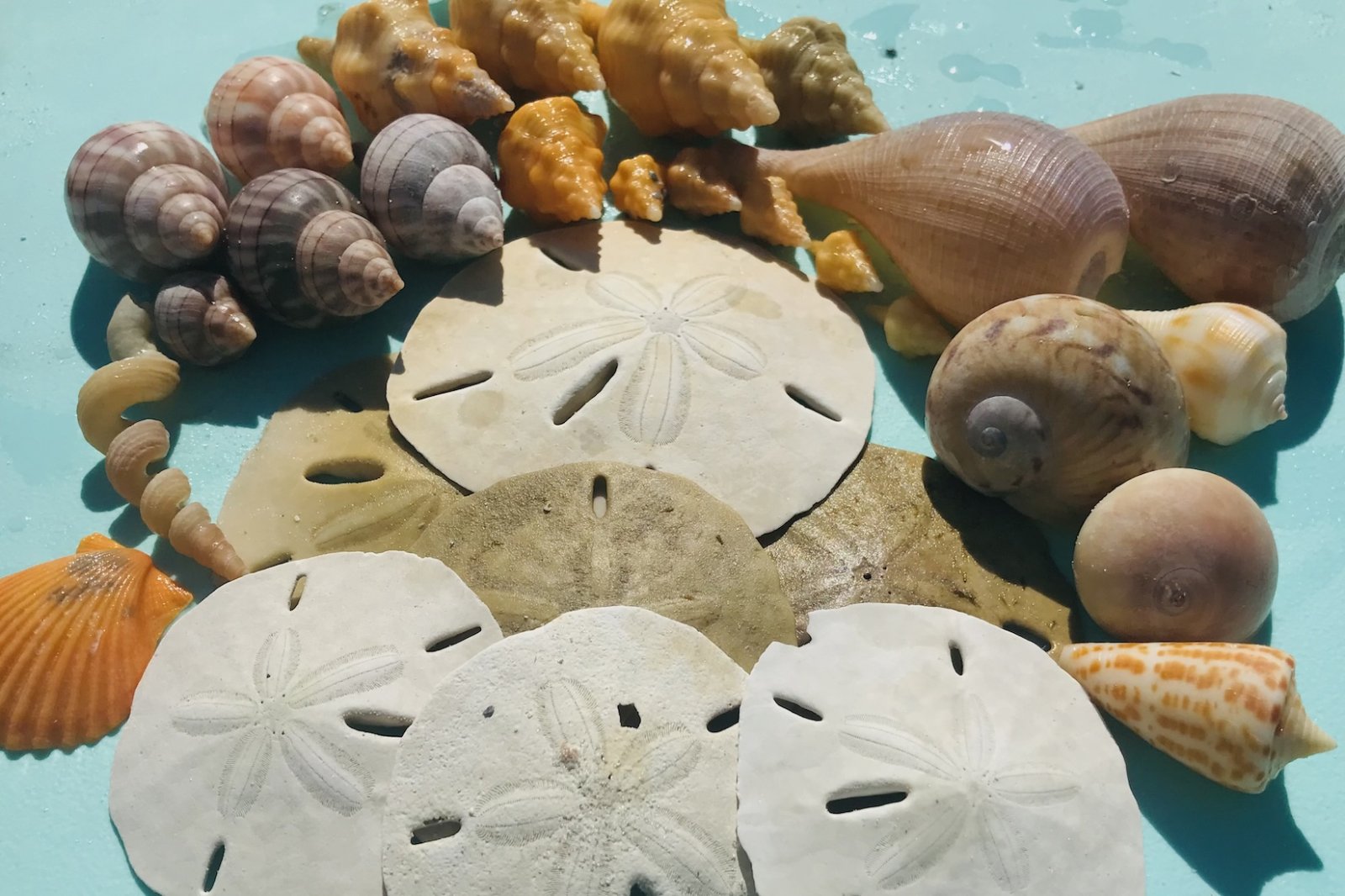
Sand dollars are fragile, and a few things work against you. The best pieces tend to turn up after a stretch of rough water, and even then, many are cracked before you spot them. The good news is that a shelling day on the water has plenty to offer, even when the sand dollar search comes up short.
Beach Finds Besides Sand Dollars Worth Looking For
Once you stop chasing one shell, the beach opens up, and a sand dollar shelling alternative can turn a quiet morning into a memorable haul. You can browse our shelling category to see which finds our tours cover.
Sea urchin tests. A sand dollar is a type of sea urchin, so a dead urchin test is the closest cousin you’ll find.
Sea stars. Common in the shallow surf and around rock and mangrove edges, sea stars are a great find but a poor collector’s item.
Sea glass. Soft greens, whites, and browns show up in the wrack line, especially after a blow.
Fossil shark teeth. These are the sleeper hit of Gulf beachcombing. They’re dense, so they settle out of the sand where waves have just pulled back, and they’re durable enough to survive a pocket.
Egg cases. These dry, papery pouches, often called mermaid’s purses, wash up regularly. They’re fascinating to look at and fine to keep once they’re empty and dry, but they’re light and easy to crush.
Lightning whelks and other large shells. These are the big prize on many shelling beaches, and they’re far sturdier than a sand dollar. Availability varies by beach and season, fragility is low once empty, and the appeal is high.
A quick way to choose: if you want something tough enough to survive the trip home, lean toward sea glass, shark teeth, and empty whelks.
A good rule of thumb: if you find something alive, leave it where it is. That applies to sea stars, urchins, and any shell with an animal still inside.
Watch out: some finds that look like empty shells still have a living creature inside, so check before you pocket anything.
Shells Found on Marco Island and Where to Look
Marco Island and the surrounding waters give you a mix of shells, and where you look makes a difference. Shallow flats near the islands tend to produce a wider variety, while the outer beaches can be better for larger pieces that roll in after a storm.
Remote islands in the Ten Thousand Islands are reached by boat and are often picked for their quieter shorelines. Plan your route around the tide, since the best finds often appear on a falling tide when more of the shoreline is exposed.
Guided Boat Trips vs. Walking the Beach
You can absolutely shell on foot, and you can absolutely shell from a boat. Our side-by-side comparison of guided trips and beach walking can help you decide which one fits your day. The better question is which one fits your day.
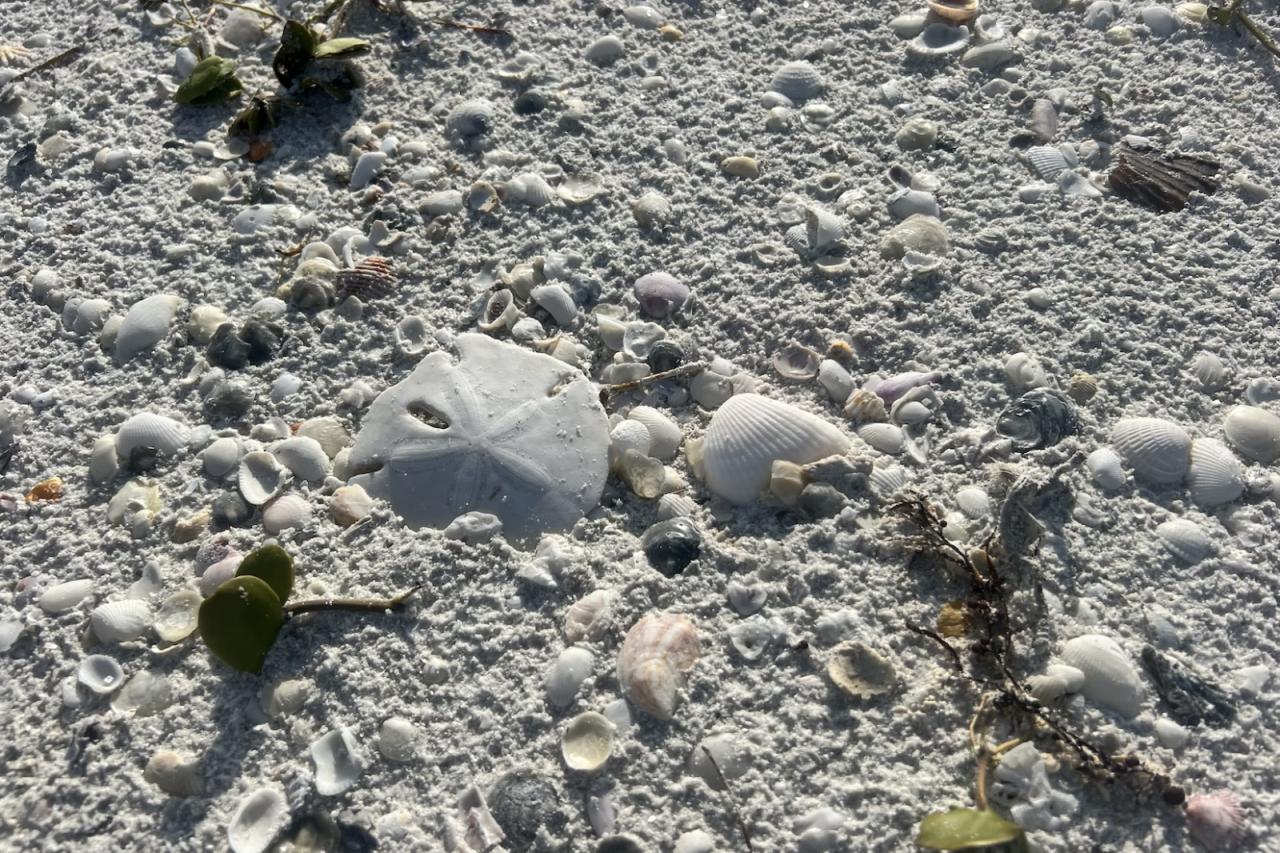
Access. Walking the beach keeps you on public sand, which is often picked over by mid-morning. A boat gets you to remote barrier islands and back-beach shorelines that see far fewer footprints.
Cost and time. Walking is free and flexible. You set your own pace and can be on the sand in minutes.
Terrain and walking distance. Beach walking is usually flat and easy, but soft sand tires out kids and anyone with mobility limits faster than you’d expect. Remote island beaches can be uneven, with shell hash, driftwood, and wet sand at the waterline.
Family suitability. Both work for families, but for different reasons. Walking is low-commitment, so a short attention span isn’t a problem.
Realistic expectations. Shelling is not a guarantee on either option. Tides, weather, and recent storms drive what washes up. A falling tide exposes more shoreline and is generally the better window.
Seasonality. Summer brings calm water and easy boat days but heavier beach traffic. Winter and spring can bring stronger fronts that churn up new material, which is often when the best pieces appear.
Learning curve. If you’re new to shelling, a guided outing shortens it. A captain can point out what’s worth keeping, what’s alive, and what’s protected, which saves a lot of guessing.
Our Shelling Tour takes you to boat-access beaches, and a captain handles the route so you can search at your own pace. You can find more details on the Shelling Tour page.
Picking Up Shells Without Hurting What Lives There
Shells are often the home of living creatures, and that changes how you should collect. A sea star or urchin that’s still alive belongs on the sand, not in your bucket. Leave the living animals where they are.
A few simple habits help. Check each shell before picking it up. Stick to empty shells and avoid digging through the sand. If you’re on a remote island, take only what you can carry and leave the rest for the next visitor. Protecting these shorelines keeps the shelling good for everyone who comes after you.
Before you pocket anything, it helps to know which finds are safe to keep and which should stay put.
| Find | Keep or leave? | Why |
|---|---|---|
| Live sea star | Leave it | Living animals belong on the sand or in the water |
| Live urchin | Leave it | Living animals belong on the sand or in the water |
| Empty shell | Keep it | Safe to take when nothing lives inside |
| Shell with a creature inside | Leave it | Some look empty but still hold a living animal |
| Sea glass | Keep it | No ethical question about pocketing it |
| Remote island shells | Take only what you carry | Leave the rest for the next visitor |
Planning Your Shelling Day on the Water With Florida Island Tours
A good shelling day starts with timing. Check the tide chart and plan to arrive as the water starts to drop. Bring water, sun protection, and a mesh bag, and wear shoes that can handle sharp shells and warm sand.
If you’d like a guide to handle the route and the timing, our Shelling Tour takes you to the islands and beaches where you can search at your own pace. You can also explore our full range of boat tours to find the trip that fits your group. Whichever you choose, you’ll come home with more than a bag of shells.
Ready to find your own beach treasures? Book a trip with Florida Island Tours and let a local captain show you the shoreline. Ask about our Shelling Tour and see what the Ten Thousand Islands have waiting for you.
Frequently Asked Questions
Why is it illegal to collect sand dollars?
Collection rules depend on the specific beach, park, or preserve, so check posted signs and local regulations before you pick anything up. Living sand dollars are part of a marine ecosystem, and removing them can disturb that habitat. A good rule of thumb is to leave live animals where you find them and take home only empty shells that have already been abandoned. If you are unsure whether a spot allows collecting, ask at a local marina or ask your captain before you start.
How can I tell whether a sand dollar is alive?
A living sand dollar is usually darker, with a fuzzy covering of tiny spines that moves slightly. A dead one is typically bleached white, smooth, and lighter in weight, because the spines have worn away. Live specimens should be left in the water. If you find one stranded on the sand, gently return it to the shallows rather than carrying it off, since it can still survive if it reaches the water.
What other beachcombing finds can I discover besides shells?
Plenty of beach treasures go beyond shells. Look for sea glass worn smooth by wave action, fossil shark teeth that wash up after storms, and egg cases from skates and rays, sometimes called mermaid’s purses. Sea urchin tests and sea stars are also common finds, though living creatures should stay where they are. Keep an eye out at the tide line, where the surf tends to leave the most interesting things behind.
What is the best time to go shelling around Marco Island?
Most shellers plan their trips around low tide, when more of the sandbars and beaches are exposed. Early morning often gives you calmer water and fewer footprints on the sand. The conditions change with the seasons and the weather, so a guided trip with a captain who knows the tide tables can save you a lot of wandering. Expect results to vary, since shelling depends on wind, surf, and what has recently washed ashore.